
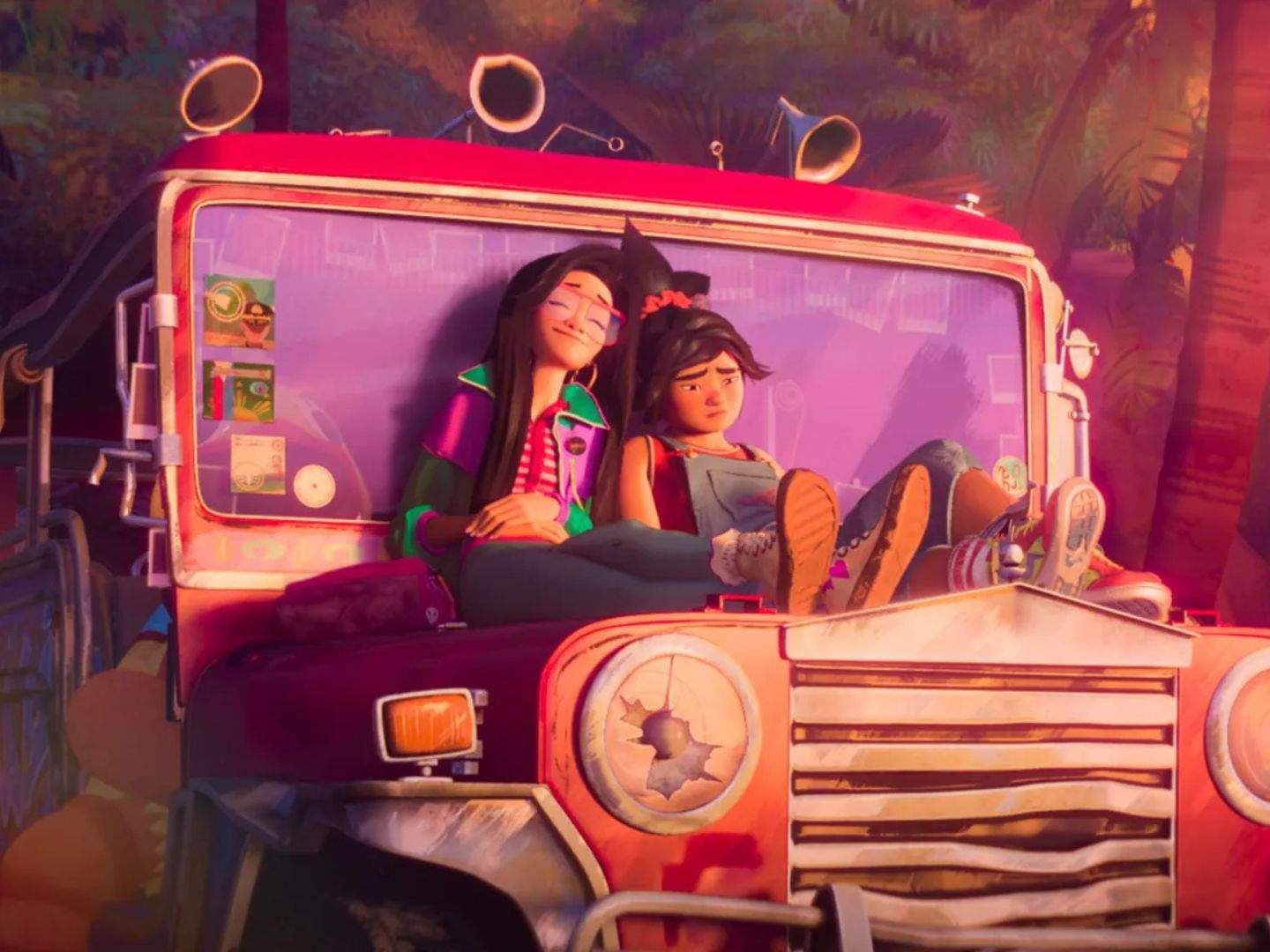
DreamWorks’ Forgotten Island delivers a spectacular Filipino fantasy about friendship, memories, and the beautiful truth that growing up means embracing change without forgetting the people who shaped us.
DreamWorks Animation takes audiences on a colorful, chaotic, and surprisingly emotional adventure with Forgotten Island (2026). Directed by Joel Crawford and Filipino-American filmmaker Januel Mercado, the original animated film brings Philippine mythology to Hollywood while exploring the complicated reality of growing up and growing apart.
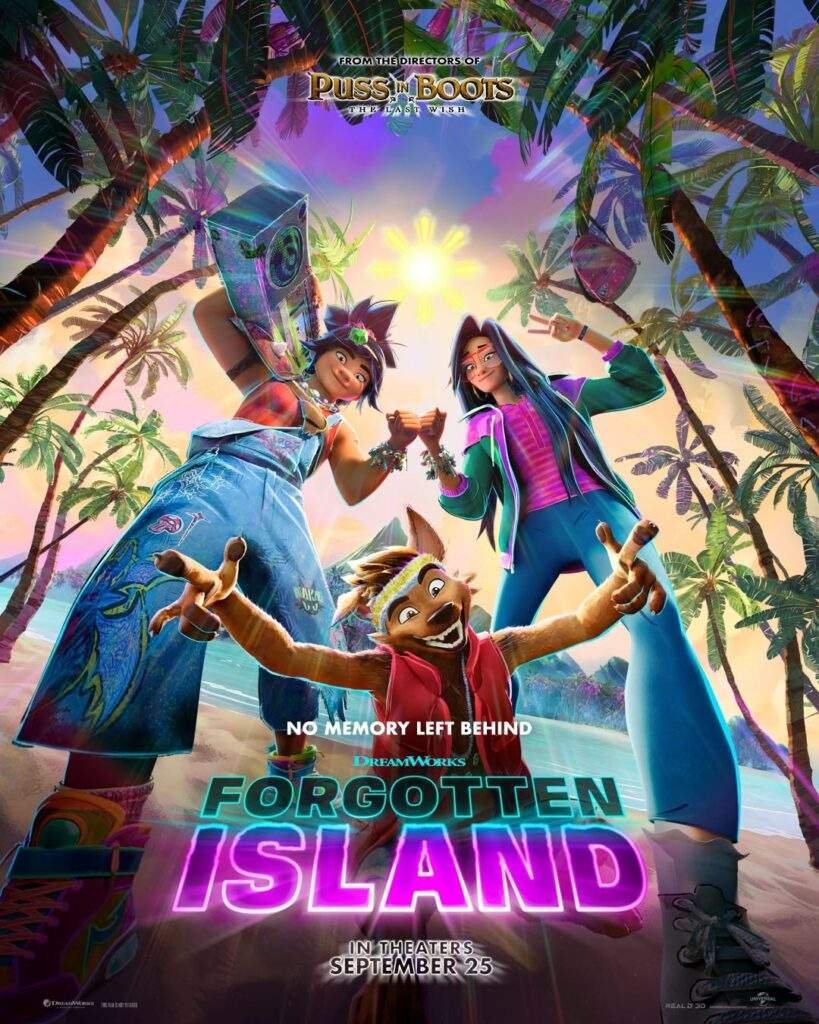
Set in the Philippines during the 1990s, the film follows Jo (H.E.R.) and Raissa (Liza Soberano), two childhood best friends preparing for different futures after graduating from high school. Their friendship faces its biggest challenge when Raissa prepares to leave for college in the United States, while Jo remains in the Philippines with fewer opportunities.
According to DreamWorks Animation, Crawford and Mercado previously worked together on Puss in Boots: The Last Wish (2022). Their latest collaboration combines an original story, Philippine folklore, and an excellent voice cast to deliver something refreshingly different in an entertainment industry dominated by sequels, remakes, and established franchises.
Warning: This review contains spoilers.
Forgotten Island Plot and Storyline
Jo and Raissa have been practically inseparable since childhood. Their shared fascination with the mythical island of Nakali brings them together, but their friendship becomes increasingly complicated as adulthood approaches.
Raissa has been accepted into the California Institute of Technology (Caltech), while Jo struggles to imagine a future without her best friend.
After Raissa’s despedida (farewell celebration), the two discover a magical object that transports them to Nakali, a mysterious island inhabited by creatures from Philippine folklore.
Unfortunately, they wake up with no memory of their previous 12 hours. With Raissa’s departure approaching, they must recover their memories, find their way home, and survive the frightening Manang (Lea Salonga), a manananggal determined to reclaim her missing wings.
Their adventure introduces them to Raww (Dave Franco), a shapeshifting aspin, Bungi (Manny Jacinto), a giant tiyanak, and Prince Mermahn (Kevin McCann), an excessively confident Kataw. But beneath the madness lies a difficult question: Can their friendship survive when their lives are moving in different directions?
An Imperfect Friendship Worth Remembering
The relationship between Jo and Raissa is easily the film’s greatest strength. Their chemistry feels natural, and their contrasting personalities make their friendship entertaining without reducing either character to a stereotype.

More importantly, neither is a perfect friend. Jo fears abandonment after experiencing painful family separations, while Raissa struggles to admit that studying abroad is something she genuinely wants.
Their disagreements feel especially relatable because both have understandable reasons for their decisions. Raissa deserves to pursue her ambitions, but Jo’s fear of being left behind is equally understandable.
The film also recognizes the differences in their opportunities. Raissa has access to an education overseas, while Jo faces a more uncertain future at home. Her situation gives the familiar experience of friends moving apart a deeper emotional meaning.
This also reflects the experience of many Filipinos whose loved ones leave the country for education, employment, or better opportunities. The story gives attention to those who remain behind and must adjust to life without someone important.
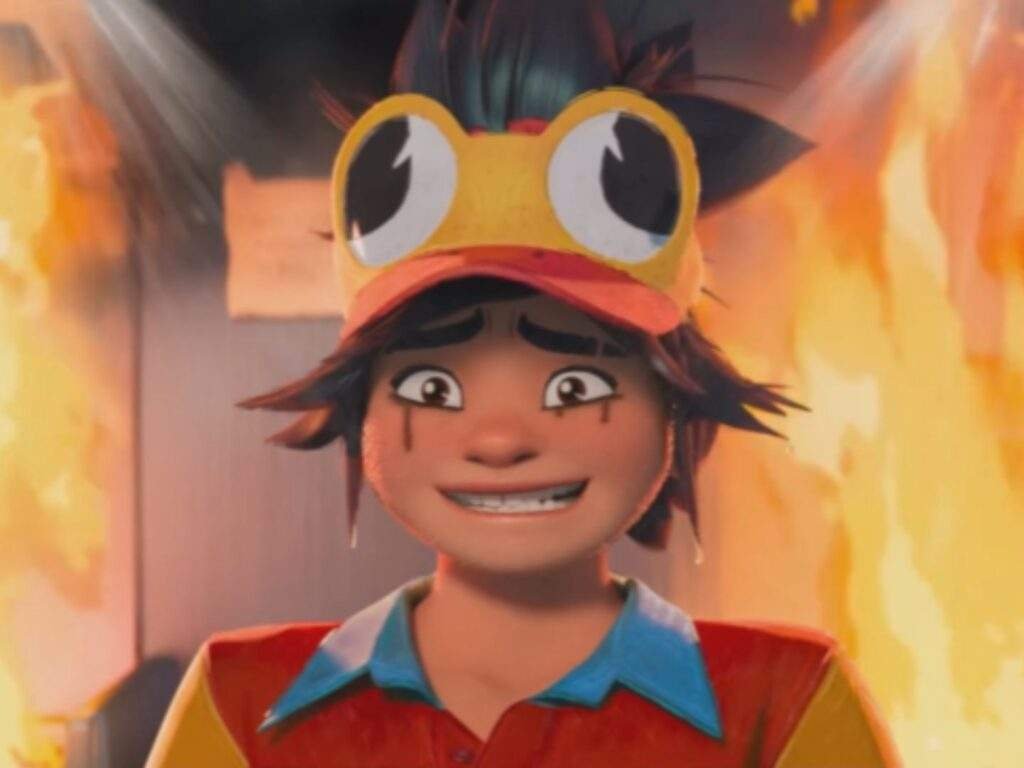
Yet Forgotten Island refuses to suggest that true friendship requires someone to abandon their dreams. Instead, it challenges the belief that growing up together means growing in the same direction.
After all, people change. Friendships can survive that change, but only when both sides accept that the person they love may not remain exactly who they were during childhood.
A Historic Celebration of Filipino Culture
Forgotten Island also marks an important milestone for Filipino representation in Hollywood.
As ABC News reported, the film is the first feature-length production backed by a major Hollywood studio to center on Philippine folklore and mythology. That achievement matters in an industry where Western legends have traditionally dominated mainstream fantasy storytelling.
Even better, Filipino culture feels essential to the film rather than something added merely for representation.
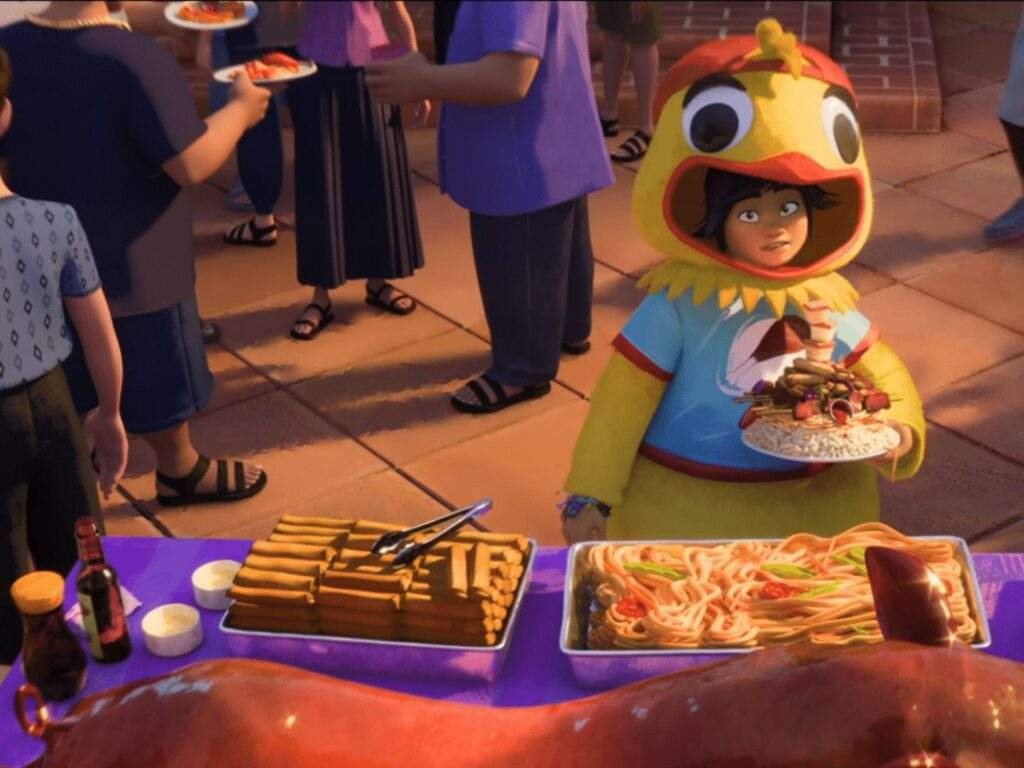
From despedidas and karaoke to pointing with one’s lips and buying knock-off products, familiar Filipino experiences appear naturally throughout the story. Even fictional product names such as Crimson Cow (Red Bull or Red Horse), Cheezin Flame-O’s (Flamin’ Hot Cheetos), and Basaleen (Vaseline) make for hilarious Easter eggs that reward attentive viewers.
These details give the film a distinctly Filipino personality without constantly explaining cultural references to international audiences. The filmmakers trust viewers to understand the story through its characters and experiences.
The same approach applies to Philippine mythology. Creatures such as the manananggal, tiyanak, and duwende appear as part of Nakali’s world rather than serving as subjects in a folklore lesson.
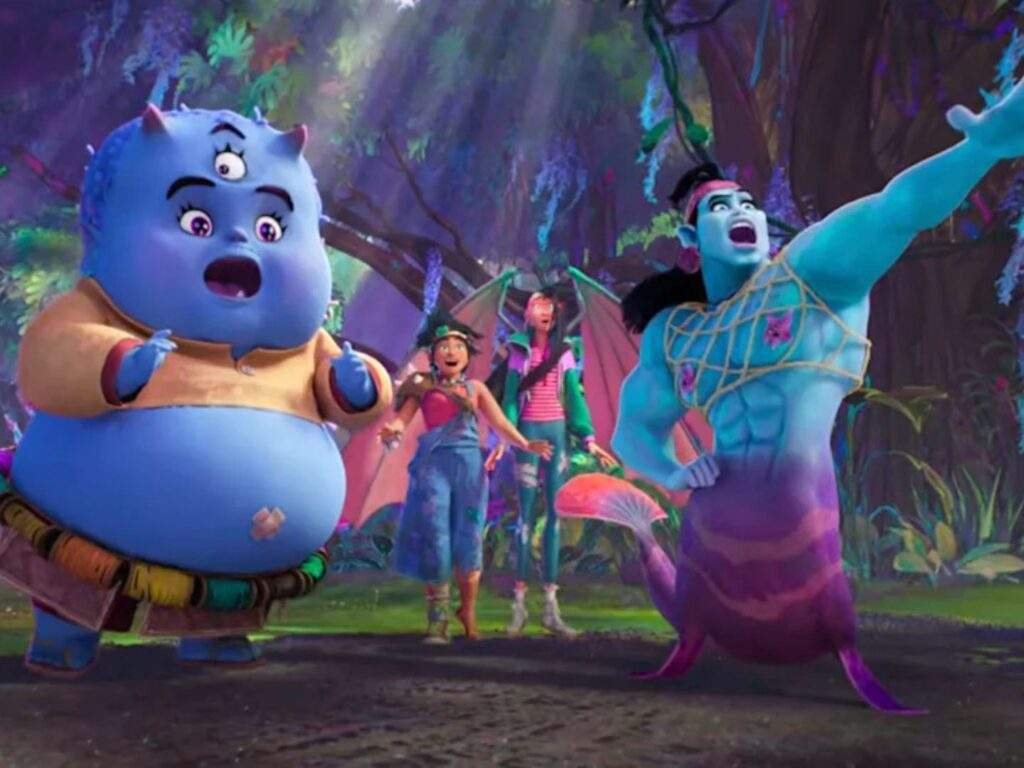
For audiences unfamiliar with these stories, the film offers an exciting introduction to the country’s traditions and imagination. Hopefully, that curiosity encourages more people to explore Philippine culture beyond the movie.
Its cultural achievement also extends behind the scenes. Vogue Philippines reported that Quezon City-based Snipple Animation contributed hand-drawn animation to the production, working alongside artists in the United States.
Filipino animators have long contributed to international productions, often without receiving widespread recognition. Seeing their creativity help shape a major Hollywood film about their own culture makes this achievement even more meaningful.
A Dazzling World That Deserves More Exploration
Visually, Forgotten Island is absolutely stunning.
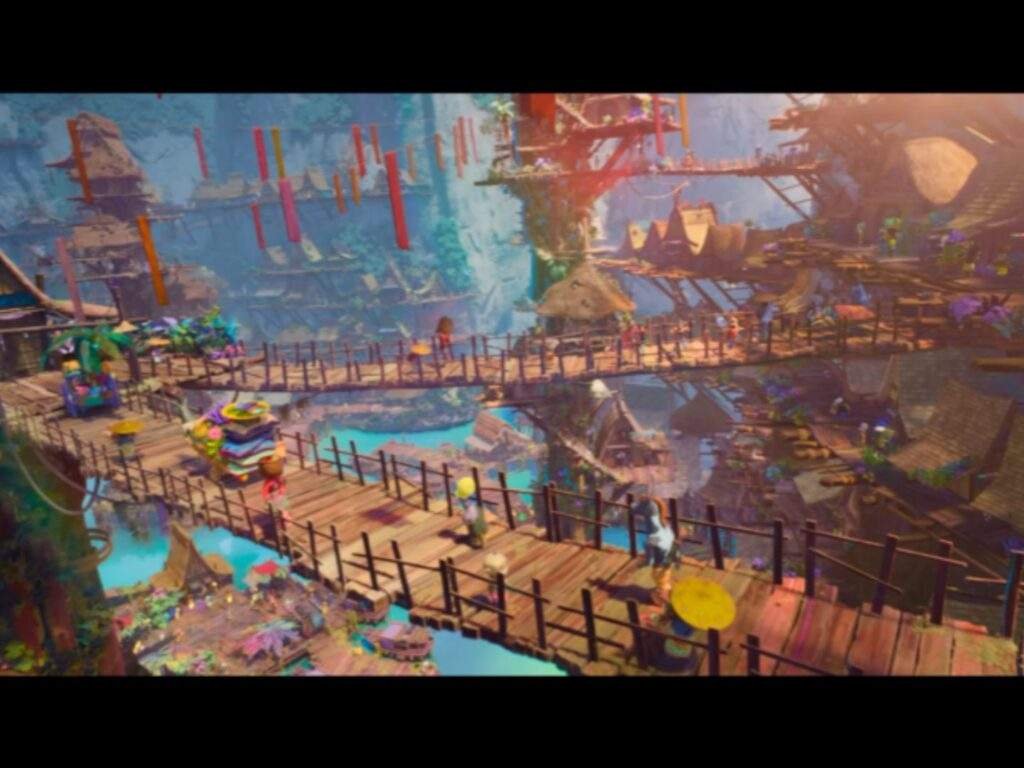
The filmmakers bring the Philippines to life through vibrant colors, nostalgic environments, and lively character animation. The country looks beautiful without losing the everyday details that make its setting recognizable.
Nakali takes that creativity even further. Its bright landscapes, strange creatures, and unpredictable environments make the island feel like an entirely different universe with endless possibilities, yet still Filipino.
Like Sony Pictures Animation’s KPop Demon Hunters (2025), Japanese anime and manga influences are especially noticeable in the exaggerated facial expressions, dramatic movements, and sudden changes in animation style. Rather than functioning as visual distractions, these techniques strengthen the humor and make the action sequences more exciting.
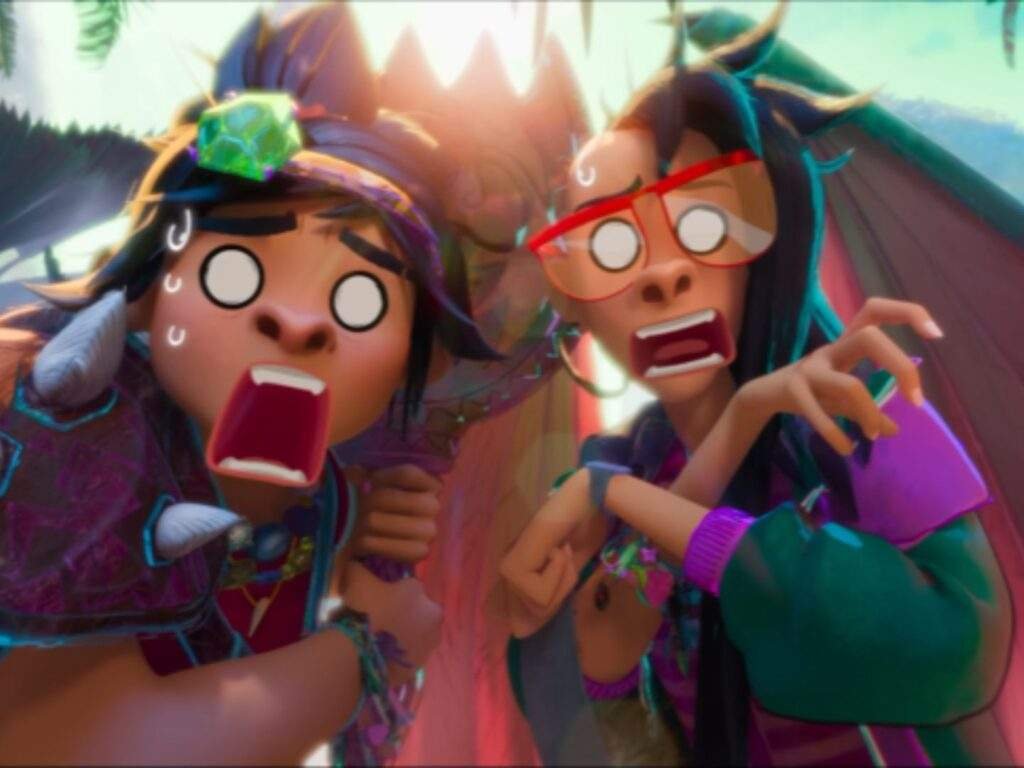
The film also uses different visual styles to show how characters remember the same events differently. This is particularly effective in a story where memories determine how people understand themselves and one another.
Meanwhile, Manang’s design deserves special recognition. Her disturbing appearance, threatening movements, and frightening presence make her one of the film’s most memorable creations.
Still, Nakali feels like a world with many stories waiting to be told. There are so many fascinating creatures and locations that the adventure only begins to explore. A sequel would be more than welcome.
Chaotic Humor and an Excellent Voice Cast
Despite its emotional themes, Forgotten Island never forgets to be ridiculously funny.
Its comedy embraces the chaotic energy of its characters, with absurd situations, exaggerated reactions, and occasional crude jokes. The supporting creatures make the adventure even more unpredictable.
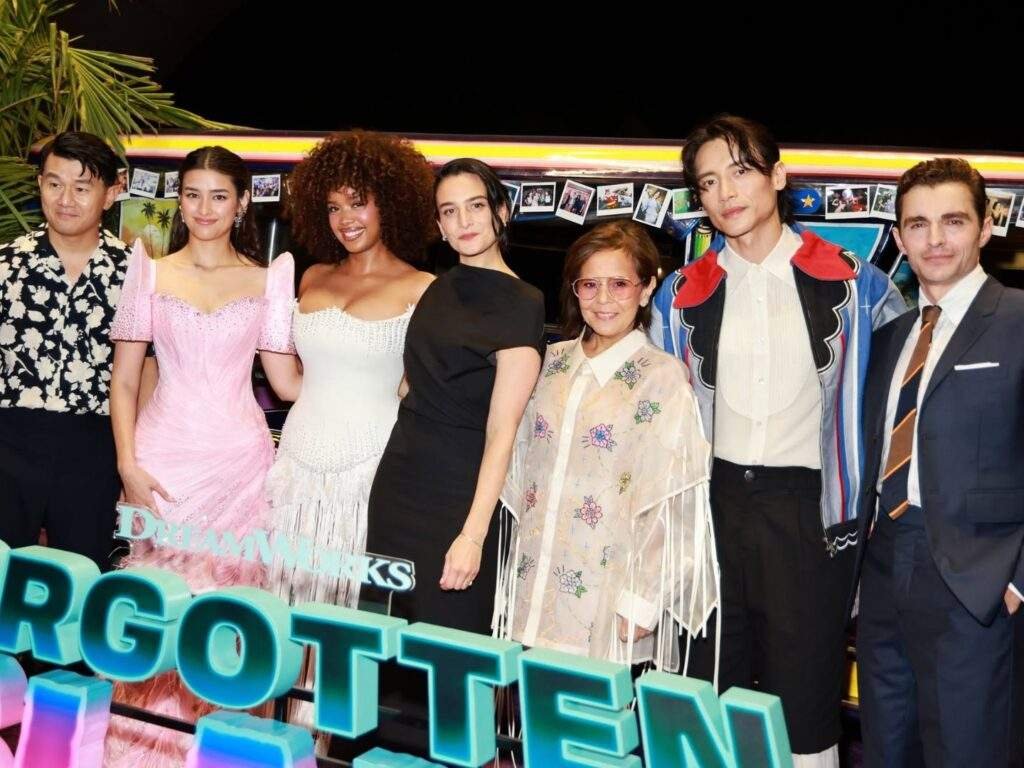
H.E.R. and Liza Soberano deliver excellent performances as Jo and Raissa. Their natural chemistry makes the friendship believable, especially during their emotional confrontations.
Dave Franco sounds like he is having the time of his life as Raww. His playful performance makes the character instantly lovable despite his flaws and questionable decisions.
Manny Jacinto is equally impressive as Bungi. His hilarious and nearly unrecognizable voice performance makes it difficult to believe that the actor behind the character is Jacinto, even for viewers familiar with his work.
Lea Salonga makes the most of her screen time as Manang. The world-renowned singer showcases her remarkable vocal range through chilling shrieks and unsettling vocalizations, making the villain even more terrifying. Her impressive performance proves that she can command attention even with very little dialogue.
The soundtrack also strikes an enjoyable balance between nostalgic international hits, original music from Filipino-American composer Nathan Matthew David, and songs performed by Filipino artists. The inclusion of acts such as BINI, SB19, and KATSEYE’s Sophia adds another welcome layer of Filipino representation.
The film rarely slows down, which makes its adventure consistently entertaining. Its overwhelming energy may be especially enjoyable for Filipino viewers who immediately recognize the cultural references and humor.
However, international audiences unfamiliar with Philippine culture might find the sheer number of characters, references, and events somewhat complicated. That busy approach will not work equally well for everyone, although its excitement remains part of the charm.
An Excellent Adventure With a Few Missed Opportunities
For all its strengths, Forgotten Island has several minor weaknesses.
The most disappointing involves Manang. Despite her excellent design and frightening presence, she feels disconnected from the larger emotional story for much of the film.
The filmmakers also give Lea Salonga surprisingly little dialogue. Considering her exceptional talent, Manang sometimes feels like a character whose visual design received more attention than her development.
Some supporting characters also contribute relatively little to the central plot. Prince Mermahn, for instance, is entertaining but could have benefited from a more meaningful role.
Introducing characters like him in a potential sequel might have allowed the original film to spend more time developing its main conflict. There would certainly be enough material to explore in another adventure.
Additionally, some Filipino words sound noticeably mispronounced. While these moments do not ruin the experience, they stand out in a production that otherwise pays considerable attention to cultural authenticity.
Nevertheless, these concerns remain small compared with the film’s achievements. Its humor, animation, performances, and emotional storytelling make the adventure thoroughly enjoyable.
Forgotten Island’s Ending Is About Letting Go Without Forgetting
The film’s strongest emotional moments arrive when Jo and Raissa finally confront the truth about their friendship.
Jo’s fear of losing Raissa leads her to hide the magical object that could have taken them home. Her decision reveals how desperately she wants to prevent their separation, even when doing so interferes with Raissa’s future.
But when Jo later sacrifices her friendship bracelet and the memories attached to it to save Raissa, her actions demonstrate how much she has changed. She finally understands that loving someone sometimes means allowing them to leave.
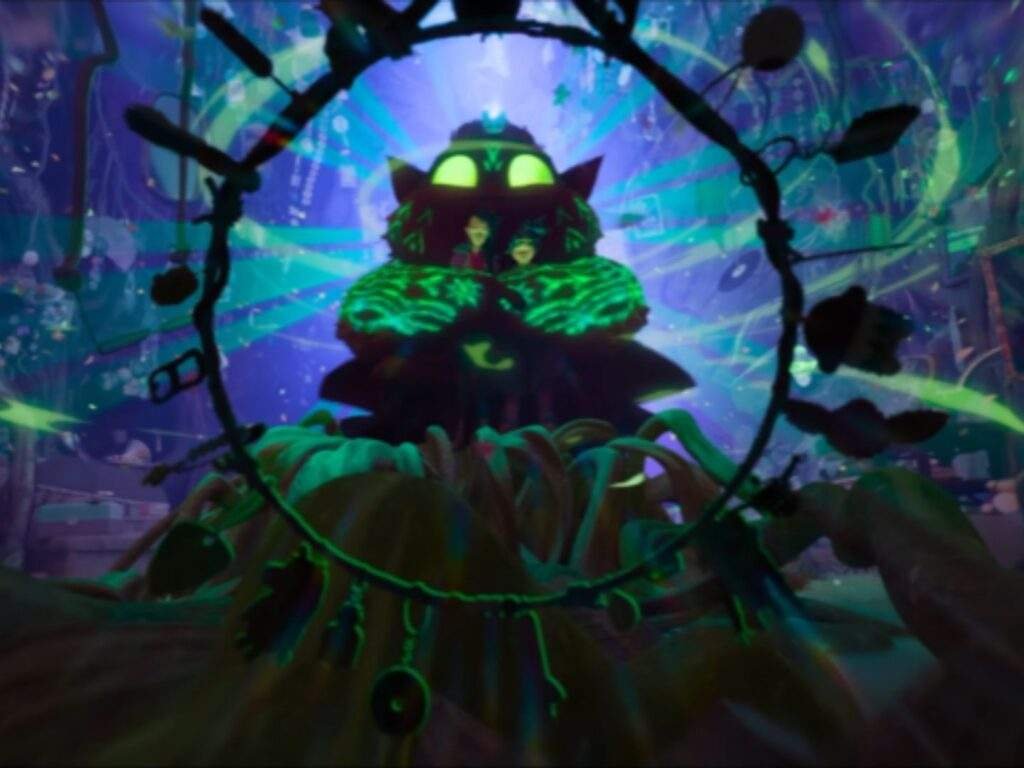
Raissa, however, refuses to let their friendship disappear. She returns to Nakali and reaches Jo through their shared childhood memories before Batiba (Jenny Slate), a batibat who collects memories, can erase them completely.
Their first meeting becomes especially meaningful during this sequence. It reminds both characters that their shared experiences helped shape their identities, even as their individual futures began to change.
The confrontation also changes Batiba, who learns that memories are meaningful because of the relationships and experiences behind them. Her decision to return a stolen memory to Manang brings the supernatural conflict toward its resolution.
The film then delivers a satisfying ending without undoing its central message.
Raissa continues pursuing her education, while Jo finds success through as a comic artist. Their later reunion confirms that their friendship has survived the distance, and finding out that their bracelets allow them to return to Nakali leaves room for more adventures.
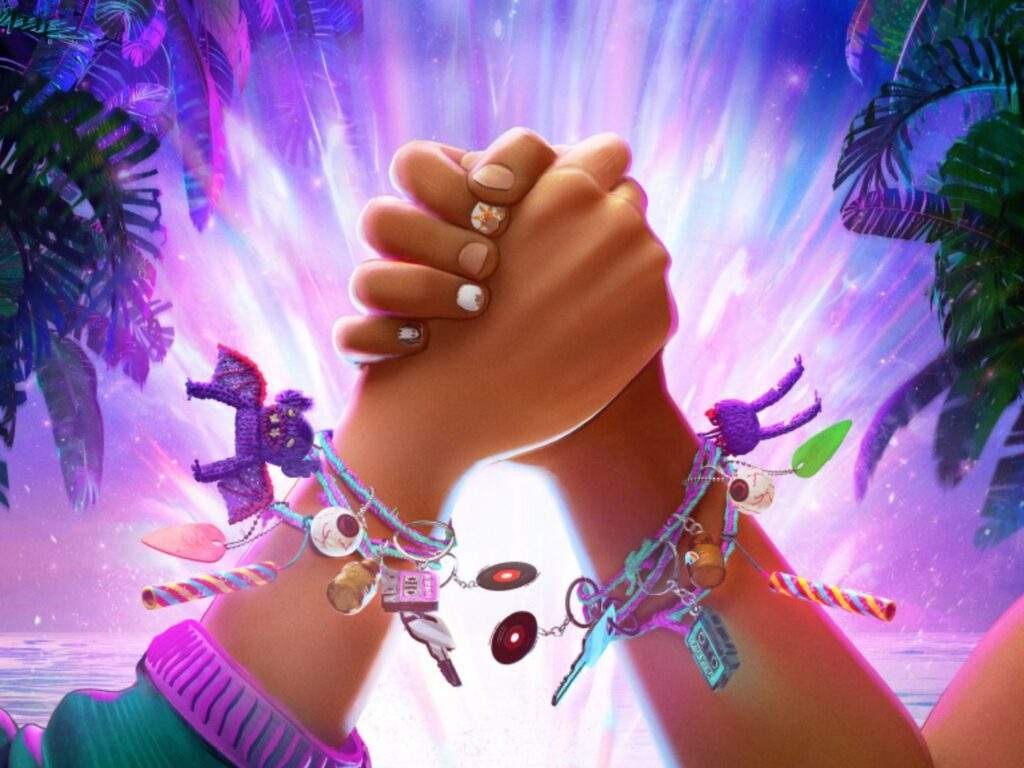
Neither has to abandon her dreams to preserve their relationship. They simply learn to carry their shared past into different futures.
That is what makes the ending so rewarding. Rather than promising that childhood friendships will never change, Forgotten Island celebrates the possibility that they can evolve into something equally meaningful.
Final Thoughts
Forgotten Island is a spectacular animated adventure that succeeds as both a celebration of Filipino identity and a heartfelt coming-of-age story. Its wonderful characters, breathtaking visuals, lively humor, and excellent performances create an experience that is entertaining, emotional, and genuinely memorable.
Its cultural significance should not overshadow its storytelling achievements. Filipino audiences can appreciate the familiar experiences and mythology, while international viewers can recognize the universal struggles of friendship, separation, and personal growth.
Above all, the film reminds audiences that growing up does not mean forgetting the past. People will discover new ambitions, move to different places, and become different versions of themselves, but the memories and relationships that helped shape them can remain important.
As Jo and Raissa discover, maintaining a friendship does not require living the same life. Sometimes, supporting someone means allowing them to become the person they want to be, even when that future takes them somewhere far away.
For Hollywood, Forgotten Island also demonstrates why original stories from cultures rarely represented in mainstream animation deserve more opportunities. Hopefully, its achievement encourages major studios to invest in more Filipino stories and support the artists capable of bringing them to life.
And with Nakali offering countless possibilities for future adventures, a sequel would be an exciting next step. Jo and Raissa have already shown that their friendship can survive change, so why not give them another unforgettable journey?
After all, growing apart does not have to mean growing away from each other. Sometimes, it simply means having new stories to share when two friends meet again.
Forgotten Island is still showing in cinemas nationwide.
Media: DreamWorks Animation, Forgotten Island official Facebook page, Universal Pictures official YouTube page, Spotify
Sources: Forgotten Island (2026), DreamWorks Animation, ABC News, Vogue Philippines