Filipino queer film show diverse LGBTQ+ stories of love, struggle, identity, and resilience, highlighting visibility, pride, and lived experience.
Filipino queer film and series has grown into a space that is bold, emotional, and deeply personal. It captures stories that were once pushed to the margins and brings them to the center with honesty and care. These films and series reflect different faces of queer life in the Philippines—from quiet teenage longing to survival in harsh historical realities. They do not just tell stories of identity. They also show how love, friendship, and resilience take shape under pressure.
In addition, this list brings together titles that span different tones and eras. Some lean into warmth and humor, while others explore pain, loss, and resistance. Furthermore, each entry highlights a different experience within the LGBTQIA+ spectrum, making the collection both diverse and meaningful.
Whether you are new to Filipino queer media or looking to revisit familiar stories, these films offer a layered look at how queerness is lived, felt, and understood on screen.
1. Die Beautiful
Die Beautiful blends camp, humor, and heartbreak in a way that defines much of Filipino queer cinema. The film follows Trisha (Paolo Ballesteros), a trans woman who lives authentically and confronts rejection from family and society.
Moreover, it uses pageant culture and witty humor to highlight both joy and survival within queer life. The story also reveals the strength of chosen family and the emotional cost of constant judgment. In addition, it delivers a deeply human portrait that balances laughter with grief without losing its impact.
2. Ang Pagdadalaga Ni Maximo Oliveros
For many queer Filipinos, Ang Pagdadalaga Ni Maximo Oliveros feels deeply personal. The film follows Maxi (Nathan Lopez), a gentle young boy in a rough Manila community as he explores family ties, first love, and identity.
Also, it portrays queerness through innocence rather than shame, which makes his journey feel honest and affecting. The story offers early representation that many queer viewers wish they had access to while growing up. In addition, revisiting the film today often brings a mix of comfort and sadness because earlier generations were frequently kept from seeing stories like this.
3. Baka Bukas
This film follows two best friends who slowly confront hidden romantic feelings for each other. It explores hesitation, fear of rejection, and emotional tension in their shifting bond.
Particularly, it shows how silence can shape queer relationships just as strongly as confession. The story reflects LGBTQ+ struggles with self-acceptance and emotional honesty. It highlights how courage often begins in private before it becomes visible.
4. Call Me Mother
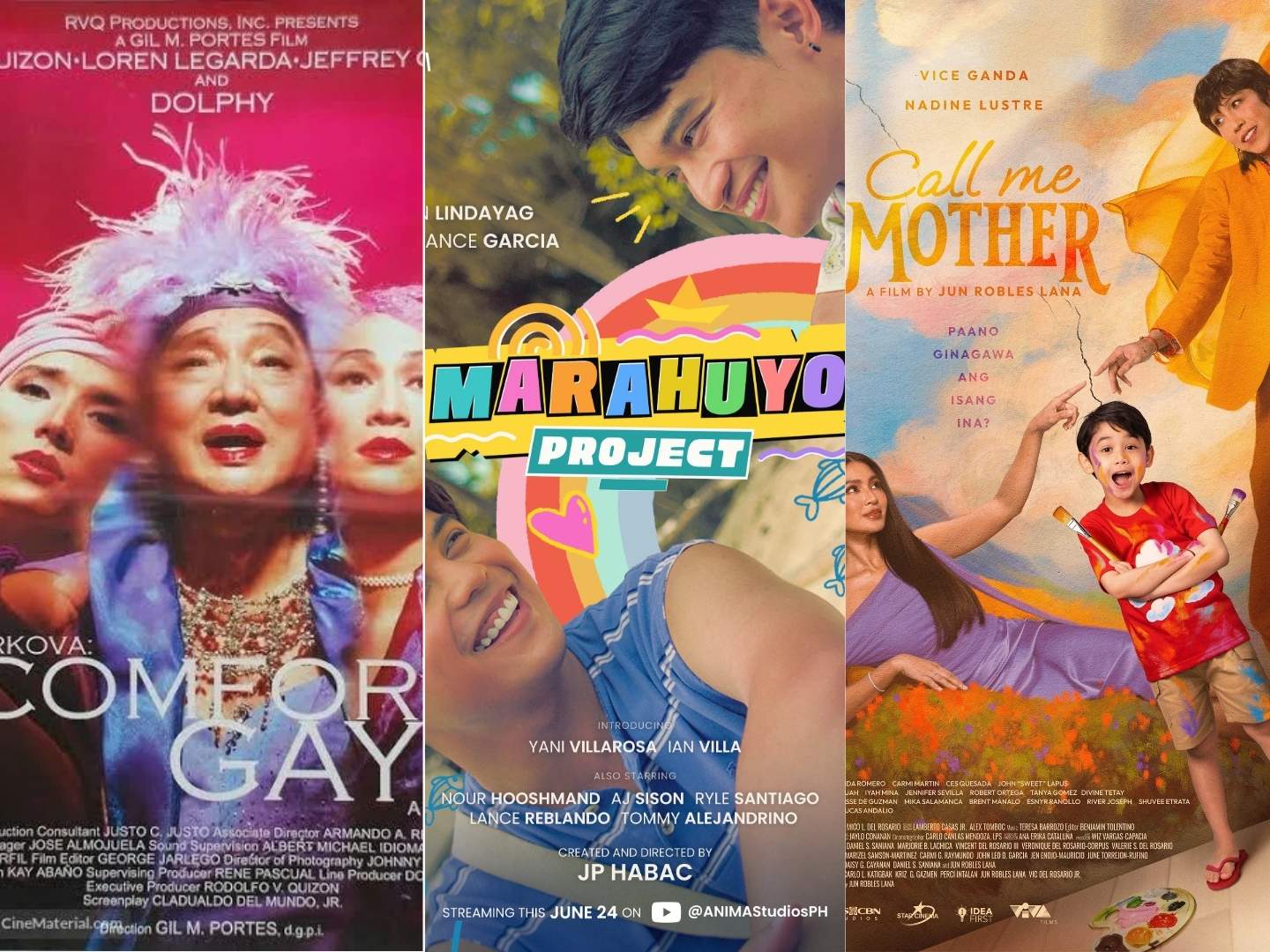
Call Me Mother follows Twinkle (Vice Ganda), a queer single mother who cares deeply for the child she raises. Her plans for legal adoption get disrupted when the child’s biological mother, Mara (Nadine Lustre), suddenly returns.
Moreover, the story shows how Twinkle fights to protect the family she has built. It highlights the emotional tension between biological ties and chosen family. In addition, the film explores love, belonging, and what truly defines motherhood in queer families.
5. Markova: Comfort Gay
Markova: Comfort Gay centers on the true story of Walter Dempster Jr., a queer Filipino who endured sexual slavery during the Japanese occupation. The film follows his experiences during wartime and shows how violence shaped his survival.
Additionally, it exposes a part of Philippine and queer history that often remains unspoken. Dolphy leads the film with a striking performance that breaks away from his usual comedic image and reveals deep vulnerability. In addition, the story affirms that queer Filipinos have always existed and have continued to survive despite historical trauma.
6. Gameboys
Gameboys follows Cairo (Elijah Canlas) and Gavreel (Kokoy de Santos) as they finally spend time together before Cairo returns to his province. The story begins as a hopeful reunion but slowly turns into a test of their relationship.
Furthermore, Cairo struggles with his upcoming departure while Gavreel faces a difficult life decision. The film highlights how love grows under pressure, especially when distance and uncertainty interfere. In addition, it shows how the couple must confront whether their connection can survive beyond circumstance.
7. Marahuyo Project
Marahuyo Project follows King (Adrian Lindayag) as he arrives in the conservative town of Marahuyo and begins a new chapter in his life. He builds new friendships and discovers love while adjusting to his surroundings.
Moreover, he leads an effort to establish the first LGBTQIA+ organization in their campus. The story shows how he challenges tradition while pushing for safe spaces for queer students. In addition, it highlights youth activism, identity, and the importance of community support in restrictive environments.
These films and series show how diverse Filipino queer stories can be, from quiet self-discovery to historical survival and modern digital love. Moreover, they highlight how LGBTQ+ lives continue to exist, resist, and thrive in different social spaces despite challenges.
Each story adds a different layer to understanding identity, whether through family, friendship, romance, or chosen communities. Furthermore, they remind viewers that queerness is not a single experience but a wide spectrum shaped by culture and context. They affirm that telling these stories matters because visibility builds understanding, and understanding builds change.
Source: The Smart Local, Rolling Stone Philippines