
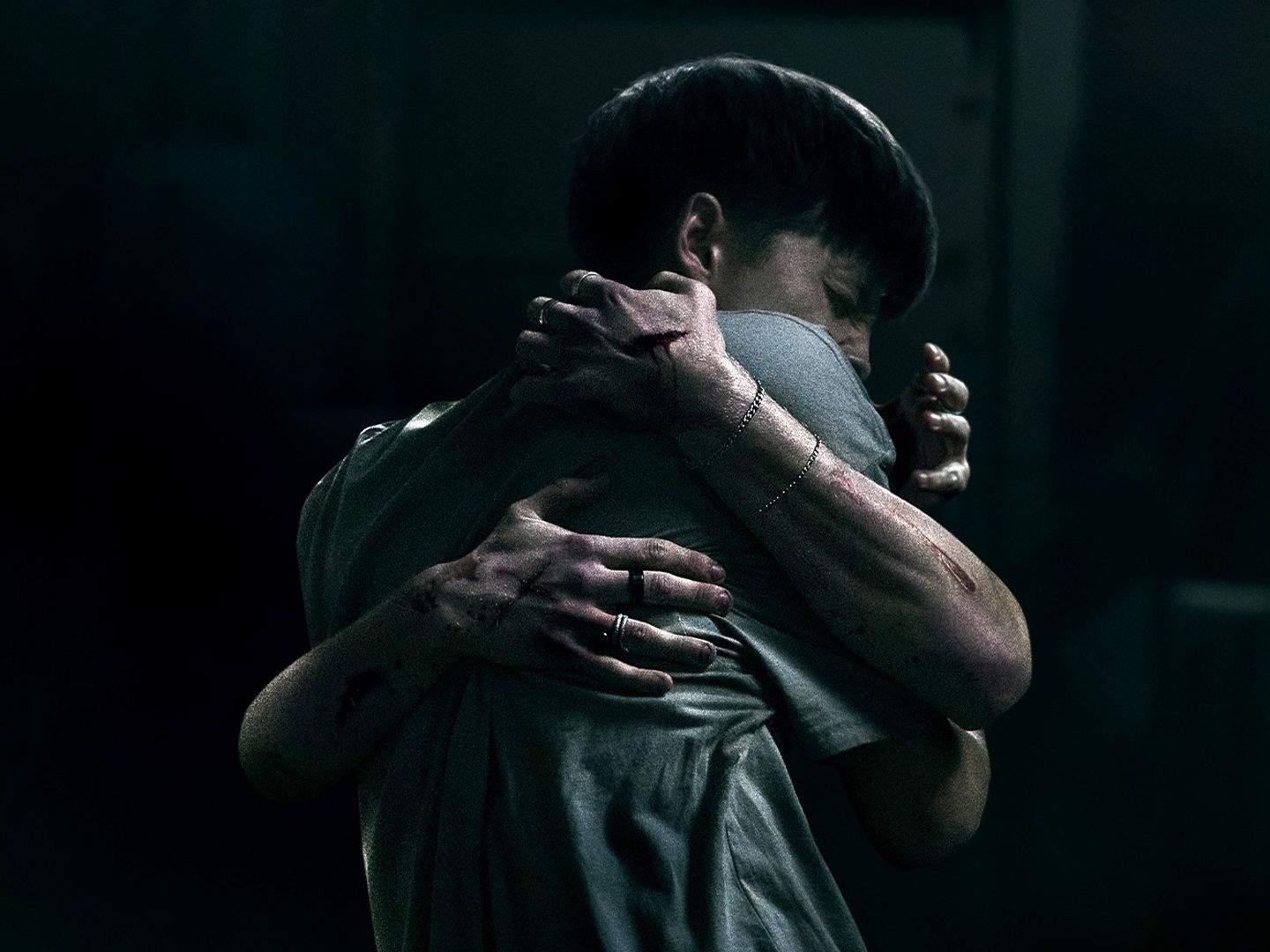
Leviticus (2026) smartly transforms religious homophobia into a monster that teaches two boys to fear the person they love, but its tender romance and excellent performances are held back by an underdeveloped story.
Australian writer and director Adrian Chiarella makes his feature debut with Leviticus (2026), a queer supernatural horror film starring Joe Bird (Talk to Me), Stacy Clausen (Thrash), and Mia Wasikowska (Alice in Wonderland). The title refers to the biblical book that has often been used to condemn same-sex relationships.
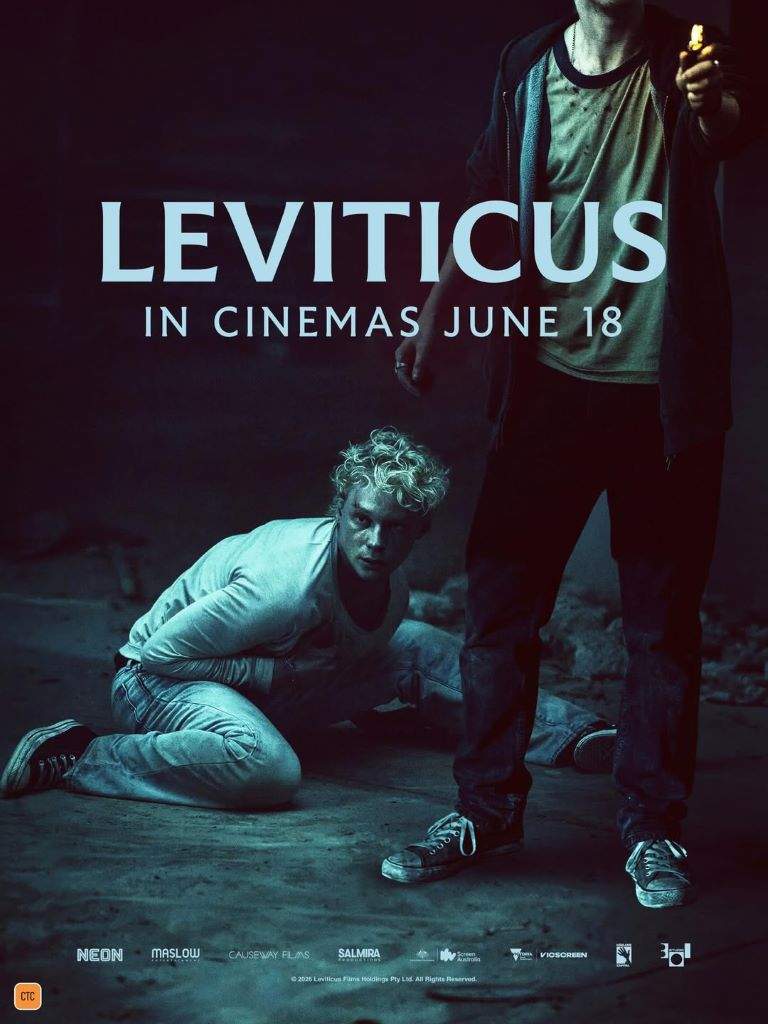
The film has a powerful central idea. Instead of presenting queer desire as the evil, Leviticus shows how religious homophobia can corrupt something loving and turn it into a source of fear.
Warning: This review contains spoilers.
Leviticus Plot and Storyline
Naim (Joe Bird) is a quiet teenager who moves to a rural Australian town with his mother, Arlene (Mia Wasikowska). Arlene has joined a strict Christian community, leaving Naim isolated in a place where he cannot safely express himself.
Naim soon meets his schoolmate, Ryan (Stacy Clausen). Their teasing and play-fighting inside an abandoned mill develop into a secret romance.
However, Naim later sees Ryan kissing Hunter (Jeremy Blewitt), the pastor’s son. Hurt and jealous, Naim tells Hunter’s parents about the two boys, knowing how the religious community will react.
Ryan and Hunter are taken to a so-called deliverance healer (Nicholas Hope). His ritual does not change their sexuality, but places a supernatural curse on them.
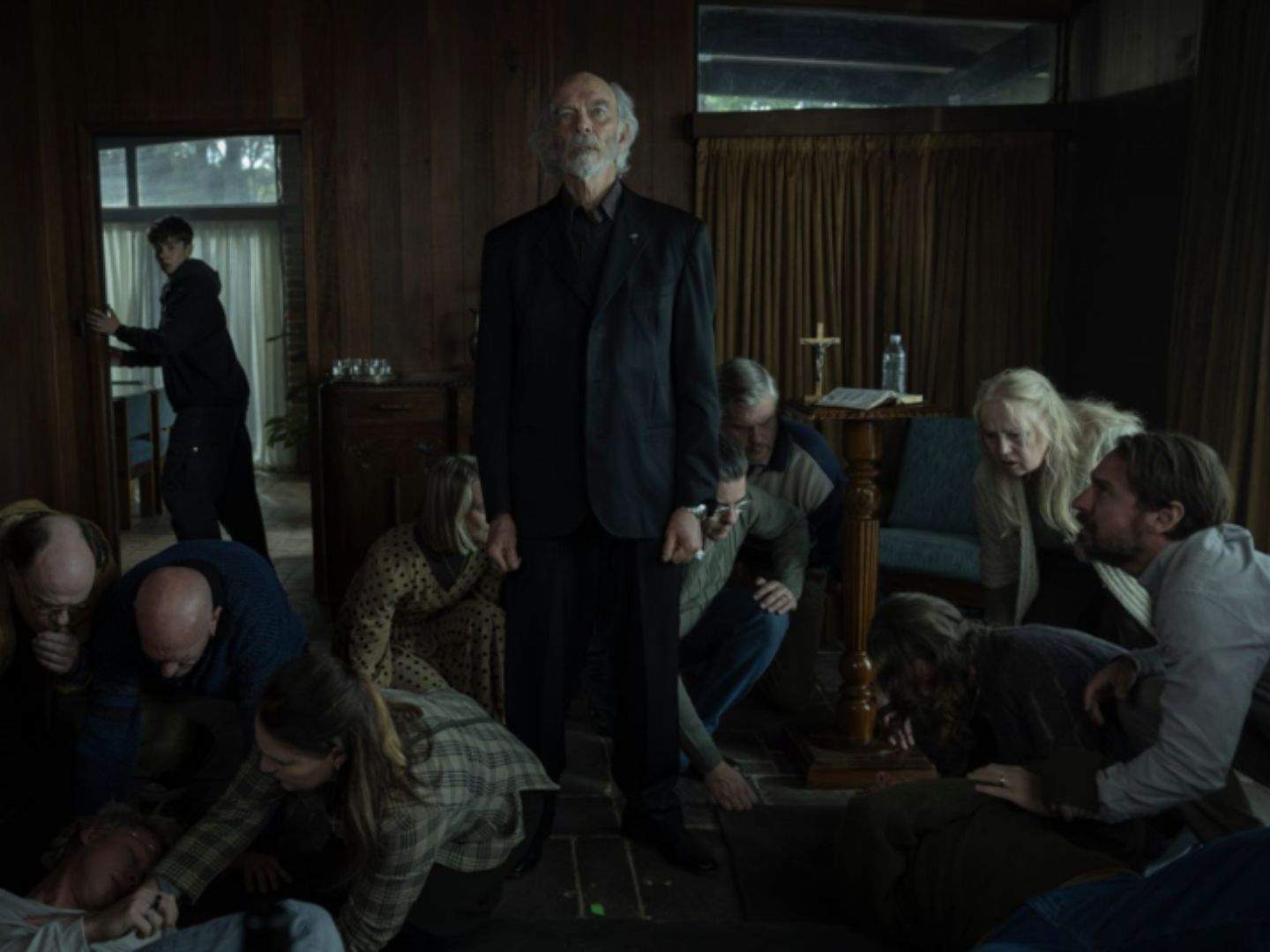
The entity appears as the person each victim desires most and attacks whenever that victim is alone.
Arlene eventually learns about Naim’s sexuality. After Naim is also subjected to the ritual by his mother, he and Ryan begin seeing deadly versions of each other.
The boys must therefore stay close enough to survive while never being completely certain that the other person is real.
Love Becomes Something to Fear
The best part of Leviticus is the smart way it shows how homophobia can turn love into fear.
The entity is a clear metaphor for conversion therapy. It does not remove the boys’ attraction to each other. Instead, it teaches them to distrust their feelings and see the person they desire as a threat.
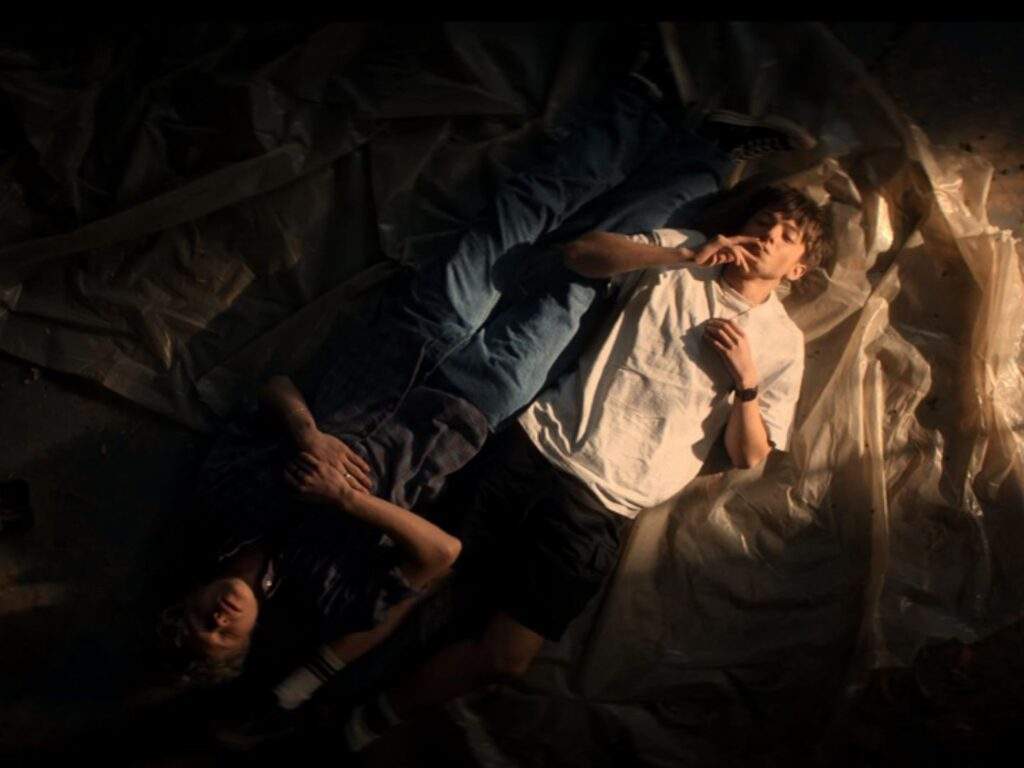
Chiarella has explained that the real monster is homophobia, particularly religious homophobia, rather than sexuality itself. The ritual creates the evil, not Naim and Ryan’s relationship.
This distinction is important. Leviticus never suggests that queer desire naturally leads to destruction. The danger comes from adults who believe that frightening and hurting young people is acceptable if it forces them to conform.
The community claims that it wants to protect the boys. In reality, it would rather expose them to violence than accept them as they are.
More Than a Horror Film
Leviticus is not only a supernatural horror movie. At its heart, it is a love story about queer affection surviving religious trauma.
Naim and Ryan are treated as heroic lovers, not merely helpless victims waiting to be punished. Their relationship becomes the one source of safety and understanding available to them.

The film’s intimate scenes are especially effective in showing the connection between desire and vulnerability. The scene where the two leads take a quiet bus ride home, for example, is not simply there to be provocative.
That moment allows the boys to express the closeness they usually have to hide. It also reminds viewers that intimacy brings them comfort even while the curse has trained them to associate desire with danger.
Their love does not create the monster. Their love is what gives them a reason to resist it.
The Romance Needed More Development
Unfortunately, the idea behind Naim and Ryan’s relationship is stronger than its development on screen.
The film moves very quickly from their first meeting to their secret romance. It does not spend enough time showing them learning about each other or slowly becoming emotionally attached.
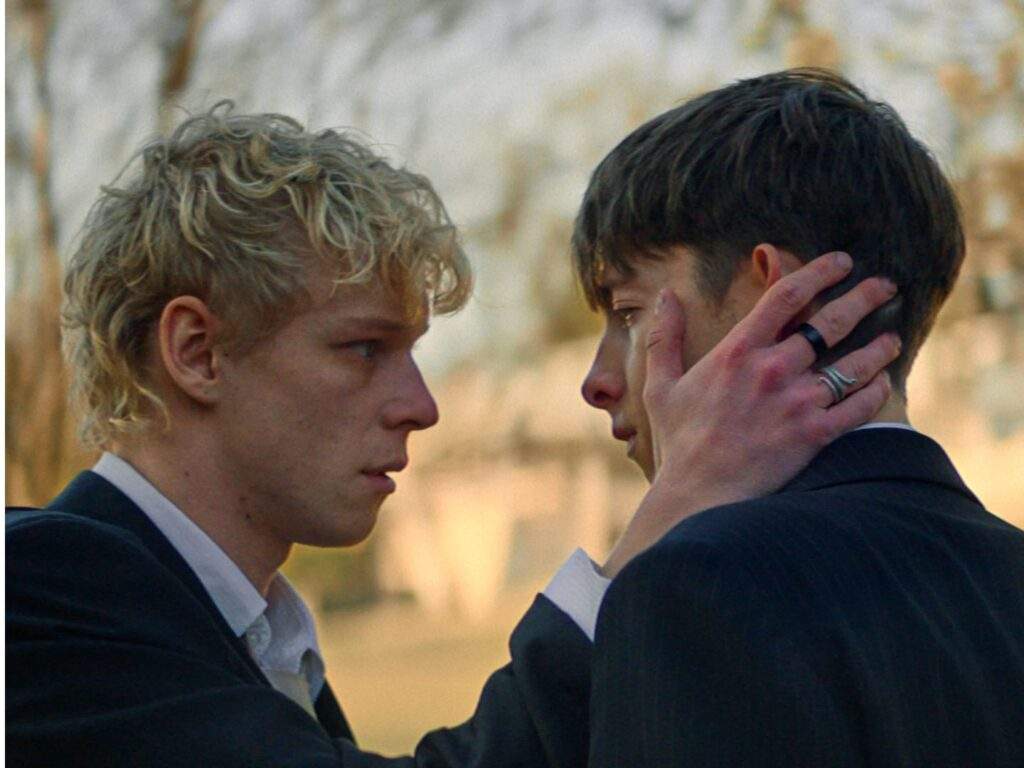
This weakens the rising action. Ryan is already involved with Naim when Naim sees him kissing Hunter, but the film never properly explains why Ryan is seeing both boys.
Ryan may be afraid, confused, unwilling to commit, or simply exploring his feelings. Any of these explanations could make sense, but Chiarella’s screenplay does not give him enough space to express one.
Naim’s decision to expose Ryan and Hunter is similarly rushed. His jealousy and anger are understandable, but the film moves so quickly that the betrayal feels more like a necessary plot event than the painful result of a fully developed relationship.
The outing should permanently change how Ryan views Naim. Instead, much of the resulting anger, guilt, and reconciliation feels compressed.
More scenes of Naim and Ryan getting to know one another would have made both the betrayal and their eventual reunion much more powerful.
Joe Bird and Stacy Clausen Carry the Film
Even when the screenplay leaves gaps, Joe Bird and Stacy Clausen give the relationship emotional weight.
Bird is excellent at showing several feelings at once. Naim’s fear, shame, desire, guilt, loneliness, and vulnerability often appear through his expressions before he says anything.
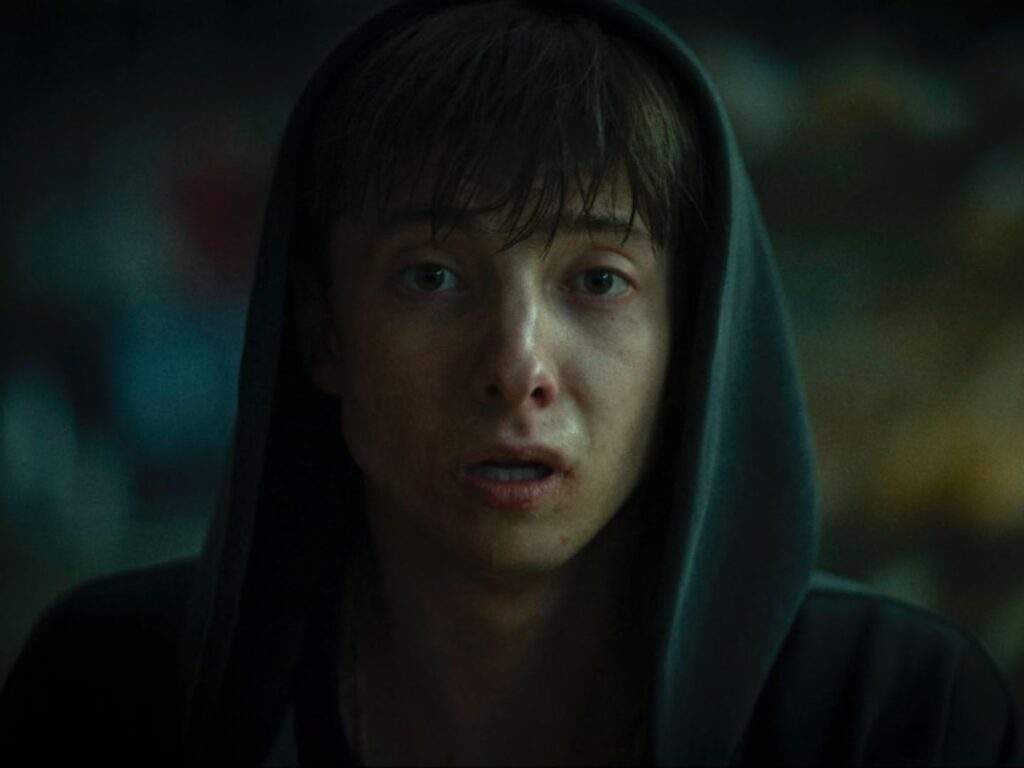
His performance makes Naim sympathetic even after he makes a cruel and damaging choice. Bird shows that Naim’s betrayal comes from insecurity and emotional panic, not simple malice.
Clausen brings warmth and confidence to Ryan. His teasing behavior and outward toughness gradually reveal a more sensitive boy who is also afraid of rejection.
The Melbourne-based actor also has the more complicated physical challenge because he plays both the real Ryan and the entity wearing Ryan’s appearance. The false Ryan can look inviting one moment and become cold, violent, and inhuman the next.
The uncertainty works because Clausen gives the two versions of Ryan slightly different emotional energy without making the difference too obvious.
Together, Bird and Clausen make Naim and Ryan feel more complete than they appear on the page. Their performances are the main reason the romance remains affecting despite its limited development.
Familiar Horror with a Different Meaning
The film naturally invites comparisons with It Follows (2014). Both films involve a supernatural figure that approaches its victims while taking a familiar human form. Both also use physical desire as part of the horror.
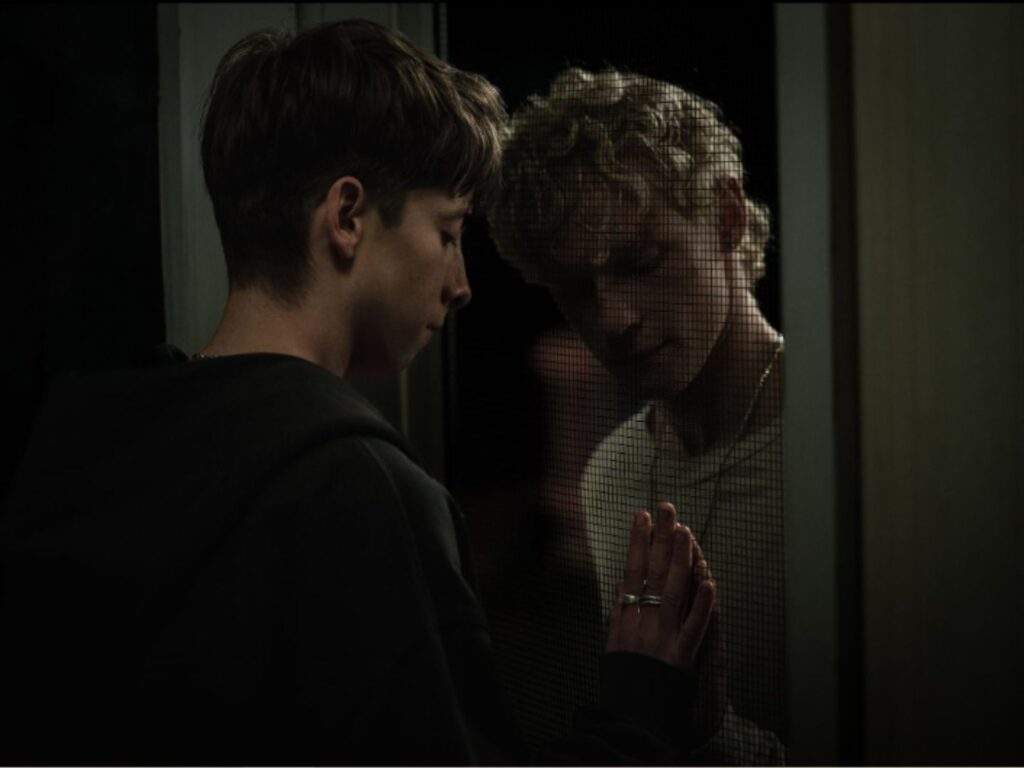
However, the two movies are interested in different fears. It Follows is more closely connected to sex, danger, and the anxiety that intimacy may bring consequences.
Leviticus focuses more directly on homophobia, shame, and conversion therapy. Its monster represents a society teaching queer people that their own feelings are dangerous.
That difference gives Leviticus its own emotional purpose. Still, the film does not develop its creature or its rules as carefully as It Follows does.
The Entity Is Frightening but Inconsistent
Chiarella creates a tense mood, particularly when Naim is alone in large, open spaces. Empty roads, parking areas, industrial sites, and distant figures make it seem as though danger could be waiting anywhere.
The use of open-space unease is one of the film’s strongest horror techniques. A location does not need to be dark or narrow to feel unsafe.
However, the entity’s behavior becomes repetitive. Many encounters follow the same pattern: Naim or Ryan sees the person he loves, lowers his guard, and realizes too late that it is the creature.
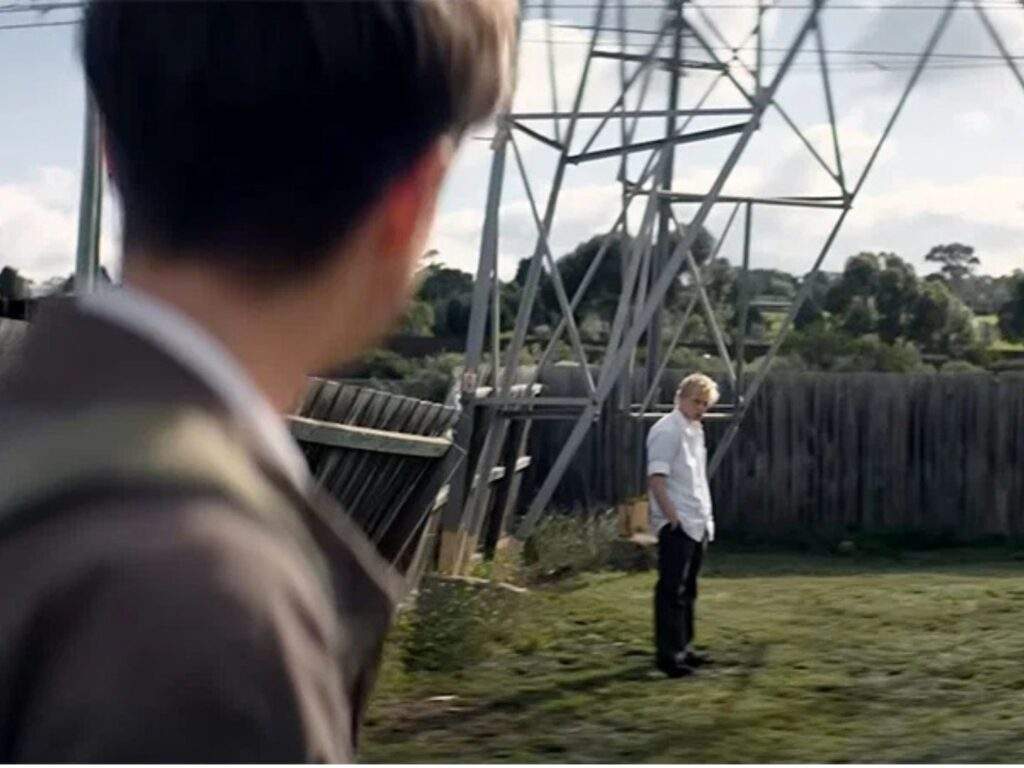
It can also be frustrating that the boys appear to forget information they have already learned. They repeatedly approach suspicious versions of each other despite knowing how the unnamed entity operates.
Their mistakes can partly be explained by emotion. Love, fear, loneliness, and desperation may cloud their ability to think properly, especially when the creature looks exactly like the one person they most want to trust.
Still, the screenplay could have communicated this emotional confusion more clearly instead of making the main characters appear careless.
The Underdeveloped Supporting Cast
The supporting characters receive far less development than Naim and Ryan. Hunter begins as a major part of the central conflict, but the film never clearly explains his relationship with Ryan or gives him much identity beyond being the pastor’s son.
Hunter’s sister, Izzie (Davida McKenzie), is even more confusing. She briefly helps the boys, later lures them into an attack, exposes Naim as the person who outed Ryan and Hunter, and then disappears without facing any clear consequences.
Arlene also feels incomplete, although Mia Wasikowska gives Naim’s mother more complexity than the screenplay provides. She convincingly plays a parent who mistakes fear for protective love, believing that hurting her son is acceptable if it supposedly saves him.
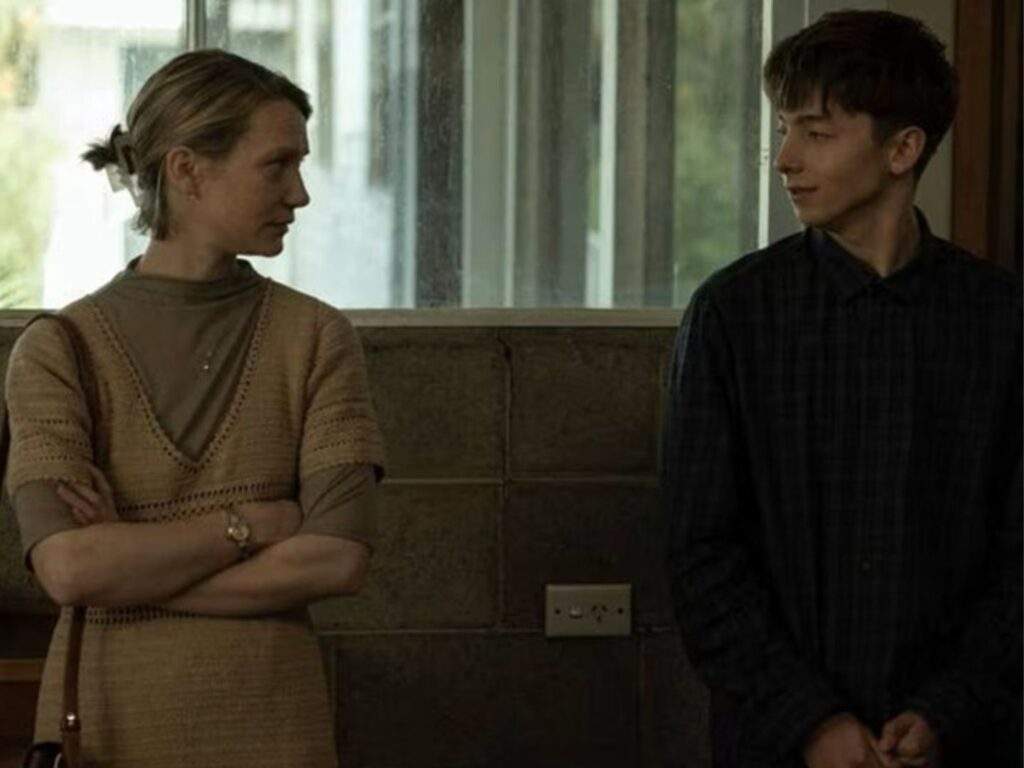
On a side note, is surprising to see Alice from Alice in Wonderland already playing the mother of a teenager. Gen Z viewers may suddenly feel much older than expected.
Wasikowska deserved more screen time, especially because Arlene’s knowledge of the curse becomes crucial near the end. Her admission that she understood the ritual’s consequences feels more like a late story shortcut than the result of a fully developed character arc.
Arlene and Izzie are just some of the supporting characters whose choices deeply affect the boys, but neither storyline receives enough explanation or closure. A longer runtime could have strengthened these characters while giving the central romance more room to develop.
A Beautiful but Hostile Australia
Cinematographer Tyson Perkins captures rural Australia as both scenically beautiful and emotionally hostile.

The wide landscapes, industrial structures, empty roads, and open fields should offer freedom. Instead, they make Naim appear small, exposed, and alone.
This visual isolation supports the story’s central conflict. Naim and Ryan live in a spacious environment, but socially and emotionally, they have nowhere safe to go.
Jed Kurzel’s musical score strengthens that mood by mixing sadness with eeriness. The music does not only warn that something supernatural is approaching.
It also reflects the loneliness of two boys who want an ordinary relationship but are forced to experience love as something secret and dangerous.
A Hopeful Ending Without an Easy Escape
The ending does not offer Naim and Ryan a simple victory. After Izzie exposes Naim’s betrayal, Ryan saves him from the attackers but furiously ends their relationship, forcing Naim to face the damage caused by his jealousy.
Naim later mistakes the entity for the real Ryan and briefly reconciles with it before it attacks. He drives it into the abandoned mill and burns the building, only to fear that he may have killed the real Ryan instead.
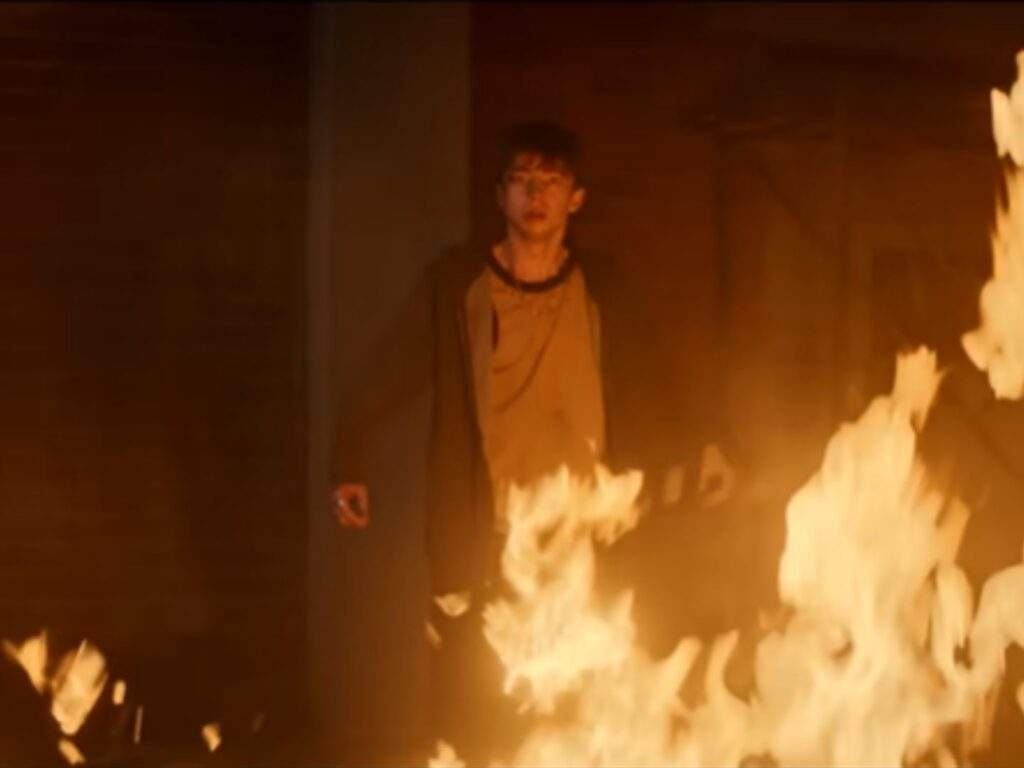
This uncertainty gives the climax emotional weight. One may think that the monster has succeeded in making Naim doubt the person he loves, even after he understands how the curse works.
Arlene’s confession creates another painful break. She admits that she knew what the ritual would do but still believed it was necessary, confirming that her idea of protection mattered more to her than Naim’s trust and happiness.
Naim leaving his mother at the gas station is therefore not a perfect victory. He escapes her control, but he must also abandon the only home and family he has known.
Finding Ryan at the bus stop gives the story a measure of hope. Ryan is alive, and despite everything between them, the boys choose to leave town together rather than remain trapped in a community that has taught them to fear themselves.
The curse, however, does not disappear. When Naim sees the entity outside the moving bus, he chooses not to react to it.
That final image with Frank Ocean‘s “Self-Control” playing in the background avoids both total despair and an unrealistically easy cure. Naim and Ryan have not defeated religious trauma forever, but they no longer allow it to decide where they go or whom they love.
Final Thoughts
Leviticus presents one of the most compelling queer horror concepts in recent years, showing how conversion therapy turns love into fear rather than erasing desire. Joe Bird and Stacy Clausen anchor the film with emotionally resonant performances, while Mia Wasikowska makes the most of her limited role.
Complemented by Tyson Perkins’ evocative cinematography, Jed Kurzel’s haunting score, and Adrian Chiarella’s assured direction, the film creates a world where beauty and terror coexist.
Still, the film’s idea is better than its execution. The romance moves too quickly, the supporting characters lack closure, and the supernatural rules are not developed strongly enough.
A longer, fuller version of Leviticus could have allowed Naim and Ryan’s love to grow naturally before religious fear tried to destroy it. Even in its unfinished form, however, the film leaves behind a meaningful truth: love does not become dangerous on its own, but hateful people can teach someone to fear it.
Leviticus is showing exclusively in SM Cinemas. Share your thoughts on the film in the comments below.
Image sources: Flicks.co.nz, The Guardian, IMDb, Leviticus official trailer on YouTube, Maslow Entertainment’s official Facebook page
Sources: Leviticus (2026) dir. Adrian Chiarella, NPR