
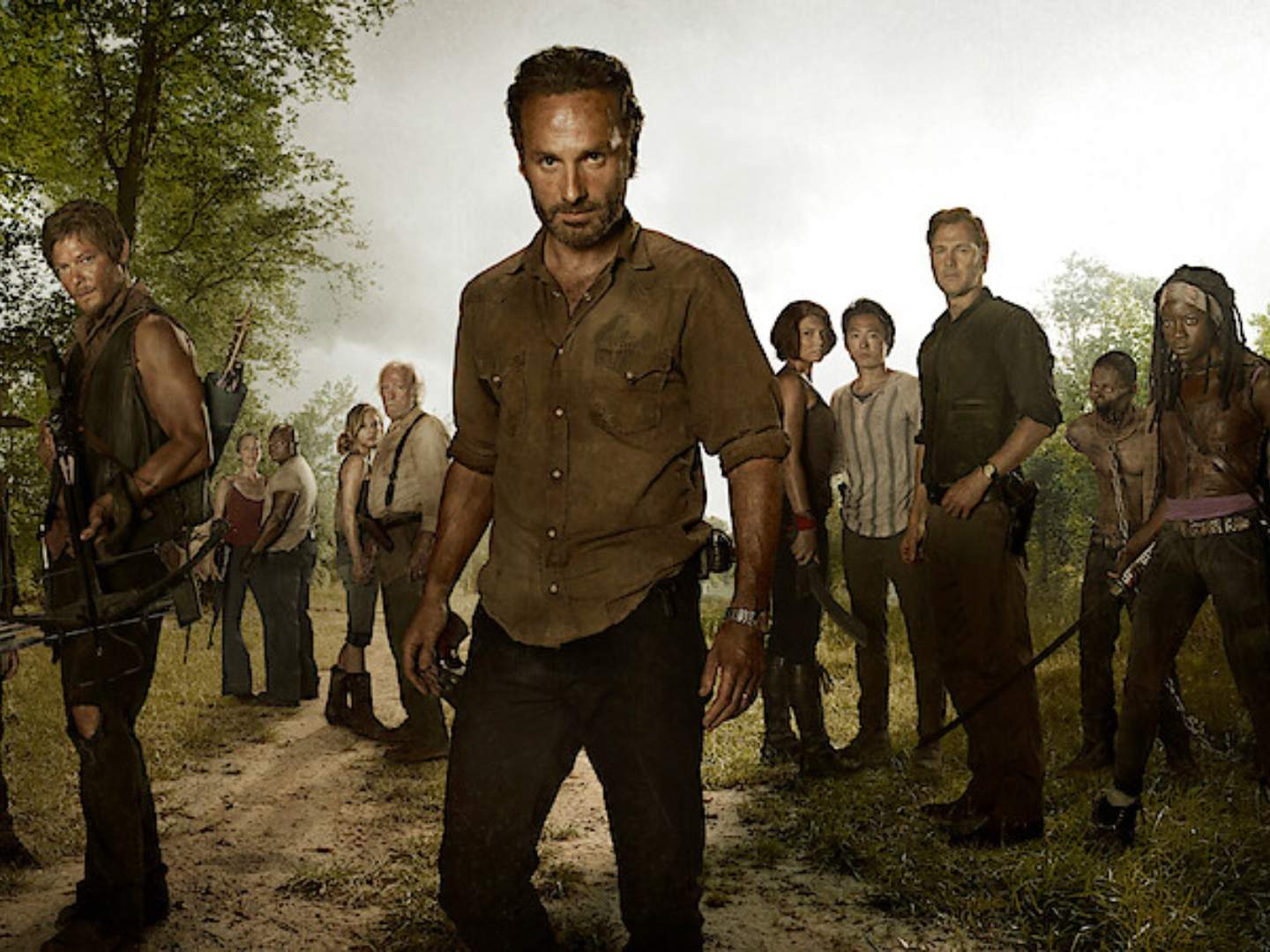
Netflix has dropped all seasons of AMC’s long-running series The Walking Dead. As fans celebrate the release, debates over which season ranks where are far from over.
The Walking Dead ran for 11 seasons, and while its longevity was impressive, the quality was anything but consistent. AMC premiered the series in 2010, adapting Robert Kirkman’s post-apocalyptic comic, illustrated by Tony Moore and Charlie Adlard. From the beginning, the show reinvigorated the zombie genre by shifting the focus away from monsters and toward human survival, morality, and choice.
At the center of the story stood Rick Grimes. A former sheriff’s deputy, Rick stepped into leadership as soon as he woke from a coma to find civilization in ruins. From there, the series steadily expanded. New survivors entered the picture, rival groups emerged, and power struggles reshaped the world with every season.
As a result, the show constantly reinvented itself. Still, that evolution did not always work. Some seasons delivered unforgettable storytelling, while others failed to live up to the show’s early promise—and are best remembered as cautionary tales rather than highlights.
With that legacy in mind, this article takes a closer look at how The Walking Dead stacked up over time. Below, I rank all 11 seasons from worst to best, weighing storytelling, character development, pacing, and overall impact. Some seasons thrived by pushing the narrative forward, while others struggled to maintain momentum. Naturally, a few placements may spark debate—because if there’s one thing The Walking Dead fandom does best, it’s arguing about seasons.
Read Here: Can’t Get Enough of Wednesday? Check Out 7 Jenna Ortega Movies and Shows While Waiting for Season 3
Disclaimer: This ranking is based on my personal preferences and viewing experience. The list reflects my own take on what worked, what didn’t, and which seasons truly stood the test of the apocalypse.
1. Season 5 (2014-2015)
Season 5 represents The Walking Dead at its peak confidence. At this point, the group is no longer reacting to the apocalypse—they’re shaped by it. The tone is brutally efficient, and every decision feels earned. From Terminus onward, the show wastes no time reminding viewers that safety is an illusion.
What makes this season stand out is how balanced it feels. Action never overshadows character work, and emotional moments hit harder because they come from experience rather than shock value. Rick’s evolution into a hardened, morally flexible leader finally feels complete here.
Most importantly, Season 5 understands momentum. There’s no prolonged wheel-spinning or filler arcs. Every episode pushes the story forward, making it the most consistently gripping season of the entire series.
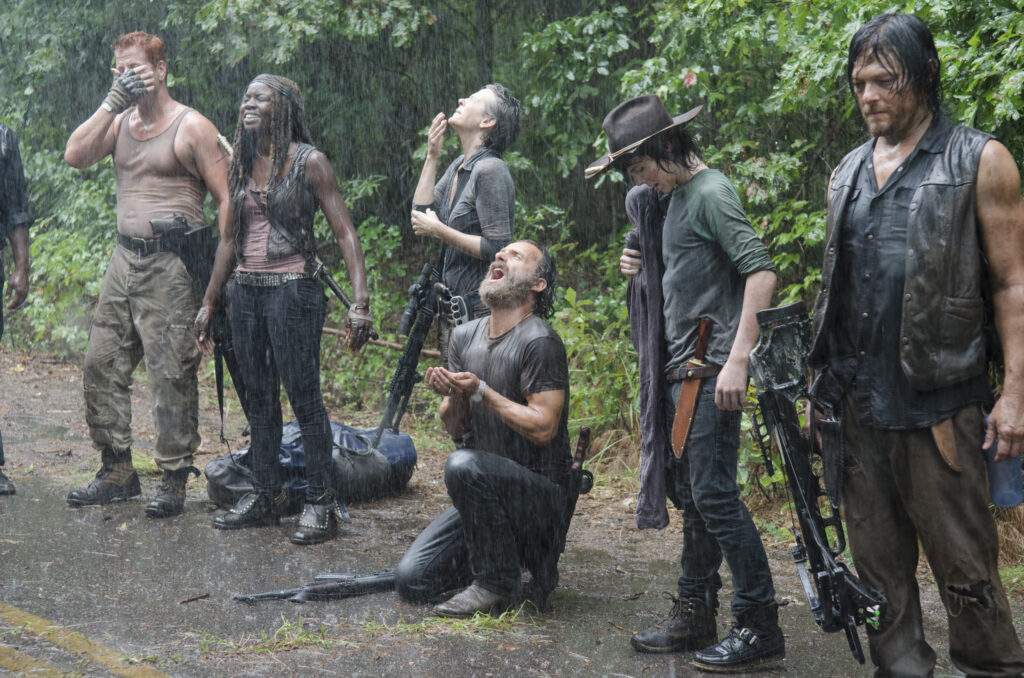
2. Season 2 (2011-2012)
Season 2 is slow—and that’s exactly why it works. Confined mostly to the farm, the season leans heavily into character psychology, moral debates, and interpersonal tension. Instead of zombies driving the plot, people do.
This is where The Walking Dead proves it’s not just a survival show, but a character study. Rick’s leadership struggles, Shane’s unraveling, and the group’s conflicting beliefs all simmer beneath the surface until they boil over.
While some viewers criticize the pacing, Season 2 rewards patience. It lays the emotional groundwork that later seasons rely on, making it one of the most important—and underrated—entries in the series.
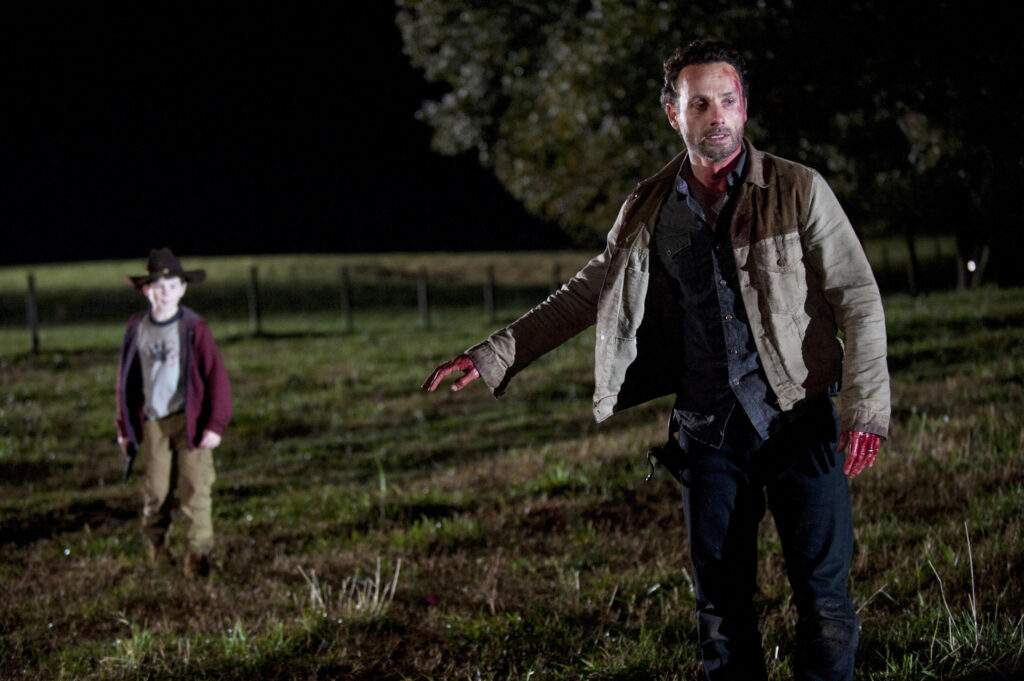
3. Season 6 (2015-2016)
Season 6 is ambitious to a fault. It aims big, expands the world, and raises the stakes in nearly every direction. When it works, it delivers some of the show’s most intense moments, especially in its large-scale action sequences.
However, the season sometimes collapses under its own structure. The pacing feels uneven, and the infamous cliffhanger decision overshadows what should have been a defining arc. Still, the tension leading up to it is undeniably effective.
Despite its flaws, Season 6 captures the feeling that the group is constantly one step away from disaster. That pressure keeps it compelling and earns it a high ranking.
Suggested Read: 7 Shows to Watch if You Liked Stranger Things
4. Season 1 (2010)
Season 1 is nearly flawless in execution. Its tight episode count keeps the story focused, emotional, and cinematic. Every character introduction feels intentional, and the sense of mystery surrounding the outbreak is at its strongest here.
Rick’s awakening into a dead world remains one of the most iconic openings in television. The season excels at atmosphere, showing restraint rather than spectacle, which makes the horror feel personal and grounded.
It ranks slightly lower only because it’s short. While it’s a perfect beginning, later seasons benefit from deeper character arcs and higher emotional payoffs.

5. Season 3 (2012-2013)
Season 3 is bold but uneven. The introduction of the prison and the Governor adds scale and complexity, yet the storytelling often feels rushed. Big ideas arrive quickly, sometimes without enough breathing room.
The Governor is a fascinating antagonist, but the season struggles to balance his arc with the group’s internal development. Certain character decisions feel abrupt, weakening emotional impact.
Still, Season 3 marks a turning point for the series. It expands the world dramatically and establishes the show’s willingness to explore power, control, and leadership on a larger scale.
6. Season 4 (2013-2014)
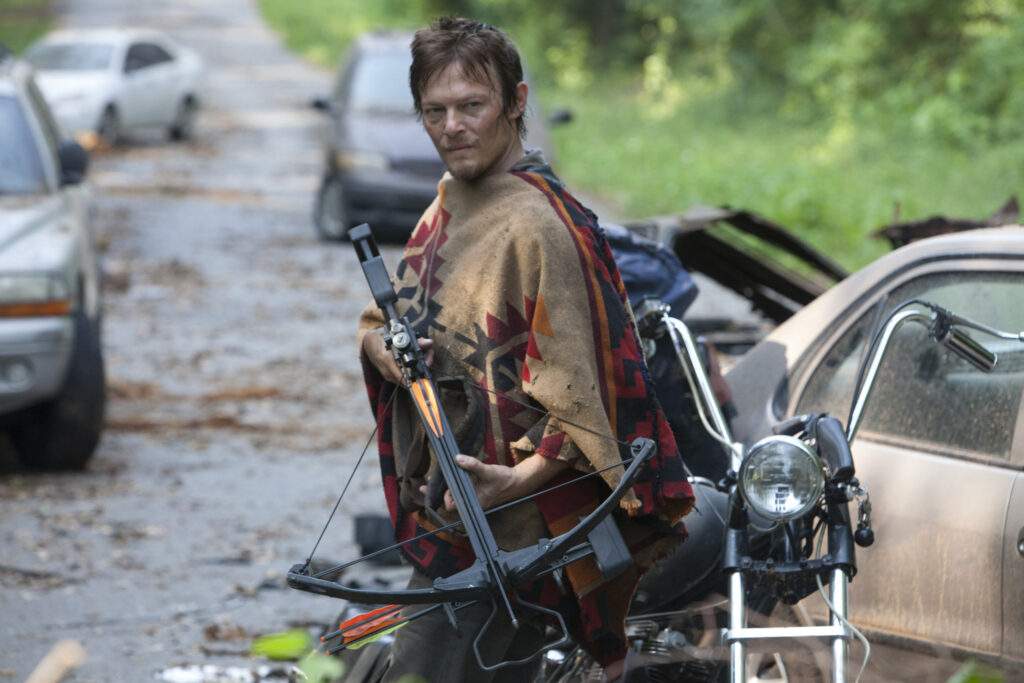
Season 4 shines when it slows down. The character-focused episodes following the prison’s fall allow for emotional depth and introspection that the show often does best.
However, the season’s fragmented structure hurts its pacing. While individual episodes are strong, the overall narrative feels stretched, making the season feel longer than it needs to be.
Despite this, Season 4 succeeds emotionally. It reinforces the idea that survival is not just physical, but psychological—and that theme resonates strongly.

Also Read: 7 Zombie Movies & Series to Watch if You Liked Zomvivor
7. Season 9 (2018-2019)
Season 9 feels like a reset. After several uneven seasons, it brings back atmosphere, tension, and a stronger sense of horror. The introduction of the Whisperers is genuinely unsettling.
That said, Rick’s departure creates a noticeable void. While the show adapts admirably, it never fully replaces the emotional gravity his presence brought.
Season 9 deserves credit for revitalizing the series, even if it never quite reaches the heights of its early years.

8. Season 8 (2017-2018)
Season 8 suffers from repetition. The war with the Saviors drags on far too long, draining tension instead of building it. What should feel epic instead feels exhausting.
Dialogue-heavy standoffs and drawn-out action sequences dilute emotional impact. Characters often circle the same conflicts without meaningful progression.
While there are strong moments, they’re buried beneath pacing issues that prevent the season from landing its intended weight.
9. Season 11 (2021-2022)
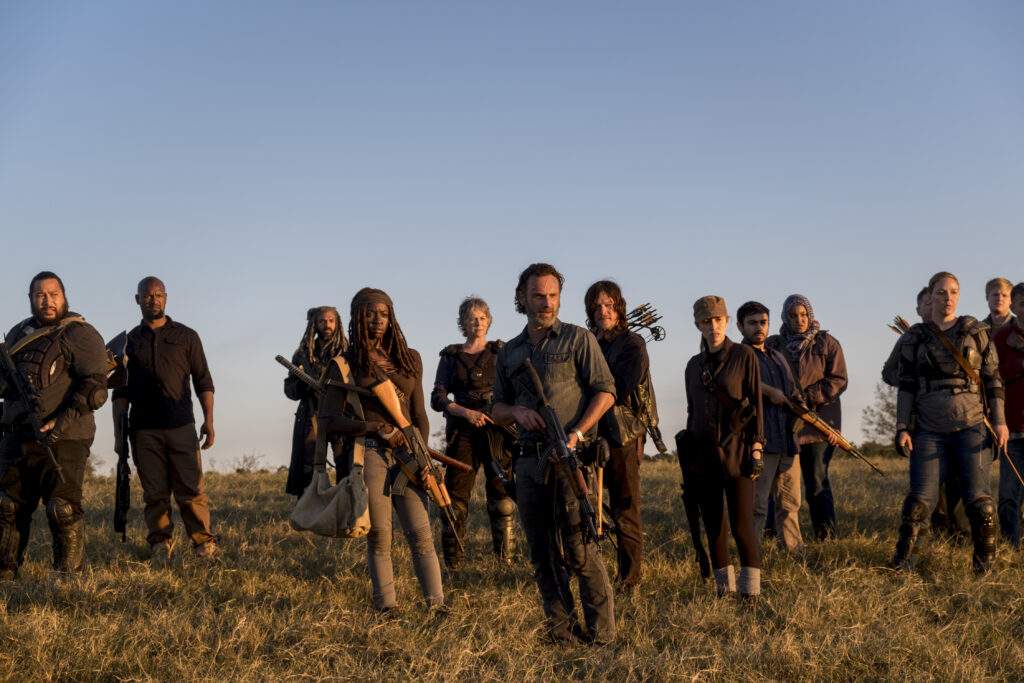
Season 11 aims big as the final chapter, but ambition doesn’t always equal payoff. The Commonwealth arc introduces intriguing concepts, yet struggles to give them enough time to resonate.
The season feels overstuffed, juggling too many storylines while trying to honor the show’s legacy. As a result, emotional beats sometimes feel rushed.
It’s not a bad season, but as a conclusion, it lacks the sharp focus needed to deliver a truly satisfying end.
Recommended Read: 7 Biggest Differences Between House of the Dragon and Fire & Blood
10. Season 10 (2019-2020)
Season 10 feels transitional and drawn out. While it builds tension with the Whisperers, it often delays resolution, testing viewer patience.
Some episodes excel in atmosphere and character moments, but the season as a whole lacks urgency. Momentum stalls when it should accelerate.
Season 10 feels like setup stretched too thin, weakening its overall impact.

11. Season 7 (2016-2017)
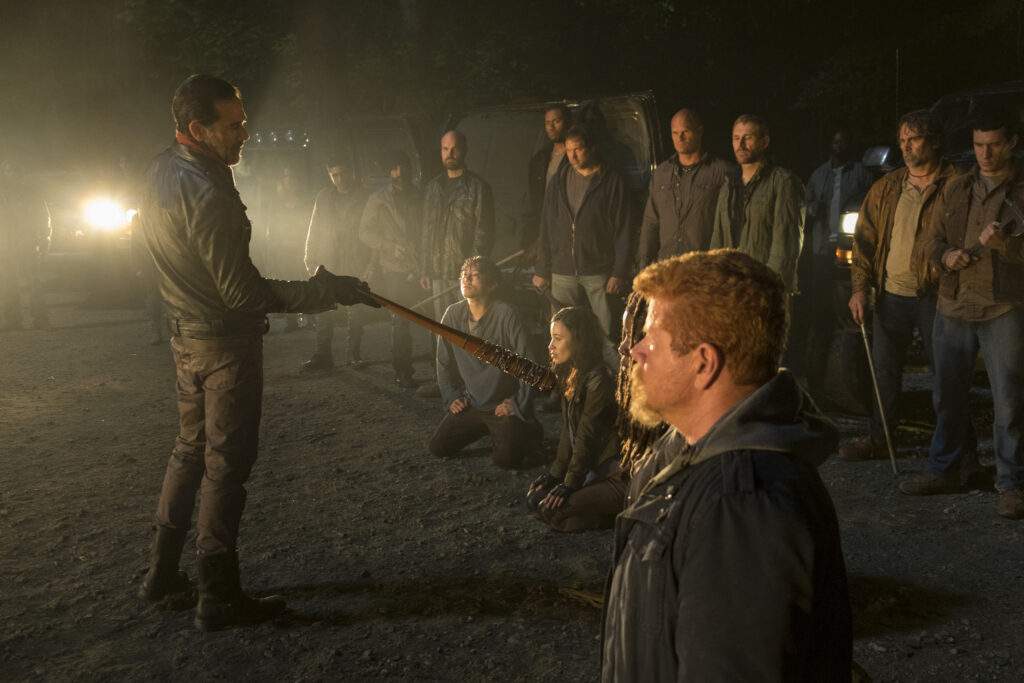
Season 7 is defined by one moment—and not in a good way. Abraham and Glenn’s death is brutal, drawn-out, and emotionally manipulative. Instead of serving the story, it alienates viewers.
Beyond that, the season leans too heavily into misery without balance. Characters feel powerless for too long, making the show emotionally draining rather than compelling.
While Negan is a strong villain, the pacing and tonal choices make Season 7 the hardest to revisit—and easily the weakest entry in the series.
In Case You Missed It: Marvel Movies and Series Under the Phase Six of The MCU
Looking back, The Walking Dead remains one of television’s most ambitious long-running series, even with its uneven trajectory. At its best, the show delivered raw character studies, moral dilemmas, and unforgettable moments that reshaped the zombie genre.
At its weakest, it struggled with pacing, narrative bloat, and creative choices that tested viewer loyalty. Still, the fact that fans can argue this passionately about rankings years later proves just how deeply the series resonated.
For longtime fans and newcomers alike, revisiting The Walking Dead offers a chance to experience its highs, reassess its lows, and maybe even change a few opinions along the way. With all 11 seasons now available to stream on Netflix, the apocalypse is only a click away. Whether you’re rewatching for nostalgia or diving in for the first time, the debate over which season reigns supreme is far from over.