From fan favorites to divisive entries, here’s a ranking of the live-action films centered on one of Marvel’s most iconic superheroes.
Tobey Maguire, Andrew Garfield, and Tom Holland have all cemented their places in cinematic history, but for many fans, their most iconic role will always be Spider-Man. Across nearly 25 years, the three actors have starred in nine films as the web-slinger. Here’s a ranking of those films, excluding ensemble movies where Spider-Man was not the central character, such as Civil War, Infinity War, and Endgame.
Be advised, spoilers for all live-action Spider-Man movies await.
THE AMAZING SPIDER-MAN 2
I wanted to like this movie more than I do.
Growing up in the 2010’s, Andrew Garfield was my Spider-Man. He was smart, quippy, and had that awkward, nerdy charm. The movie had lots of nods to the comics, clearly establishing a larger universe with the Sinister Six. However, its focus on setup came at the cost of story.
This film shares the same flaws of Raimi’s Spider-Man 3. Between Electro, the Goblin, the Oscorp conspiracy with Parker’s parents, and even the Rhino, there were many plot threads it was pulling on at once. Villains that deserved their own movie were pushed into one. Having several subplots isn’t always the sign of a bad story, but none were actually developed. Above all, we never officially got the line “with great power comes great responsibility.” Richard Parker (Campbell Scott) only said it in a deleted scene.
Still, the movie wasn’t entirely bad. Garfield’s tragic romance with Gwen Stacy (Emma Watson) was adorable. Her death certainly worked, leaving a lasting impact on viewers, just as the original comics did.
SPIDER-MAN 3
Much like The Amazing Spider-Man 2, Raimi’s final installment in the trilogy had much setup. Harry and Venom’s subplots felt underdeveloped, instead of receiving their own movie. Perhaps featuring only two would’ve greatly improved the film. The drama between Peter, Mary Jane, Harry, and Gwen Stacy also lingered for longer compared to its predecessors. Thus, there was far less time towards heroism or its messages.
While flawed, all of Raimi’s Spider-Man films were far from bad. The Sandman subplot was powerful in its portrayal of forgiveness. Peter’s corruption by the symbiote highlighted the importance of responsibility. The soundtrack was unforgettable, and the action was captivating. It also gave iconic moments of the trilogy, such as Sandman forming for the first time, the church scene with Venom, and, of course, the Bully Maguire memes.
THE AMAZING SPIDER-MAN
Growing up, the Raimi trilogy came out when I was too young to fully remember them. As such, I remembered the Webb films better, and watched them in theaters during my preteens. I could also relate to Garfield’s Peter and his school experience better than Maguire’s. I’ve already mentioned Garfield’s wittiness and jokes as a standout. His action sequences were also good, being much more spiderlike in movements.
By far the highlight of the film was his romance and natural chemistry with Gwen Stacy. Their relationship over the film was endearing, and remains the best part of Webb’s films. Interestingly, the villain subplot was the film’s least interesting part. The Lizard (Rhys Ifans) was not a bad villain, but not as iconic or recognizable as one of Spider-Man’s rogues. The Oscorp conspiracy was light-handed for how much focus it received during the sequel.
Lastly, a personal nitpick concerning the film’s first teaser. The ending shot was a 34-second, first-person sequence of Spider-Man crawling and swinging through the city. The final scene in the film, which was less than 9 seconds long, was the closest thing my younger self had to a betrayal. Thankfully, the starting sequence of Brand New Day more than made up for it.
SPIDER-MAN: HOMECOMING
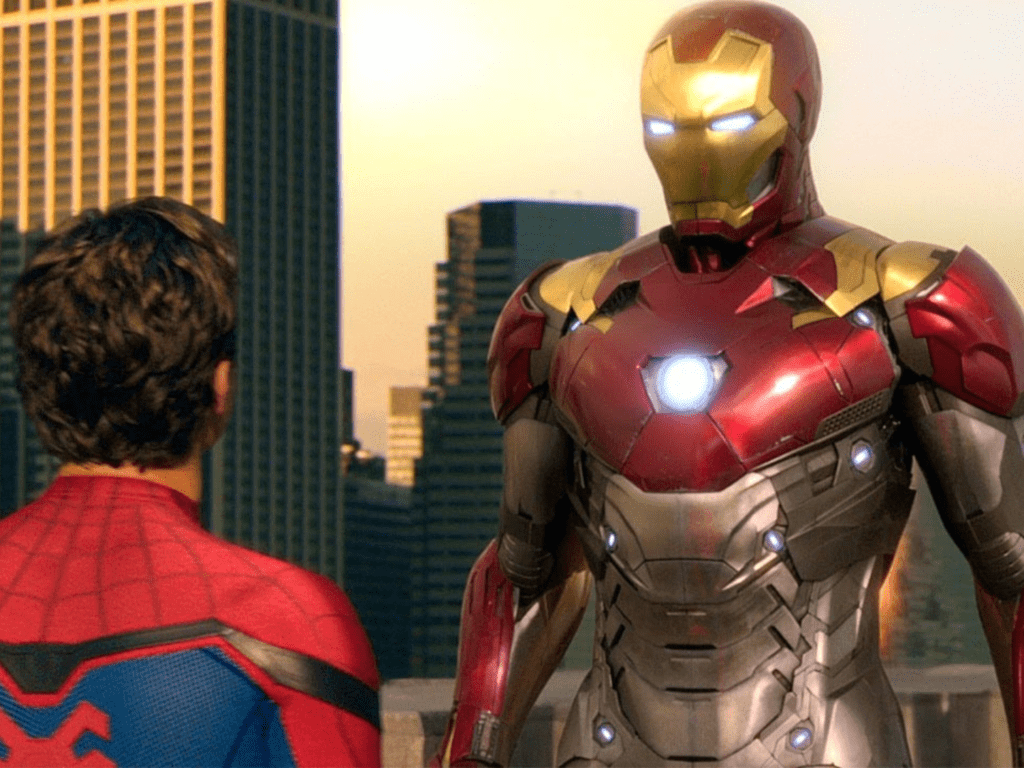
In many ways, Holland stood on the shoulders of giants. Not only did he have to live up to the cinematic image of two previous Spider-Men, he was the first to appear in an expanded universe. His character also wished to live up to the expectations of his hero, Iron Man (Robert Downey Jr). Safe to say, both Holland and his Peter nailed it.
In many ways, the film’s lightheartedness made it great. Because it was released during my high school years, Peter’s student life was very relatable to me, teenage stresses, romances, and all. Both plots of his civilian and superhero identity were equally captivating, without feeling as divided as the previous films. The jokes landed, even if most of them weren’t from Peter, and although there weren’t many web swinging scenes, the action was punchy.
Noticeably, this film made no direct mention of Ben Parker. He was indirectly mentioned in Captain America: Civil War and here, but there were neither direct references to him or the iconic line ‘With great power comes great responsibility.’ This choice was criticized up until Peter learned this lesson from Aunt May and his doppelgangers, rather than Uncle Ben. Only recently was it revealed the Russo brothers—the directors of Civil War—made this change to keep the character from becoming too intense.
SPIDER-MAN
Many older comic book fans grew up with Maguire’s Spider-Man. They related to him as a kid much like themselves, rather than a lofty ideal. The film gave them a vision of going from an awkward teenager to becoming powerful, a love interest for the girl next door, while also learning a lesson in responsibility.
Everything else about the film is plainly entertaining. The score is lofty and memorable, the action lands well, and of course, Willem Dafoe makes a great and intense Green Goblin. In many ways, the punchy cinematography gives the feeling of a comic brought to life. This tone would set the stage for many modern superhero movies. While not as grounded as Christopher Nolan’s Batman Begins or Jon Favreau’s Iron Man like most modern superhero films, this does not hinder Spider-Man at all. Some say to this day the MCU is modeled in Raimi’s image.
SPIDER-MAN 2
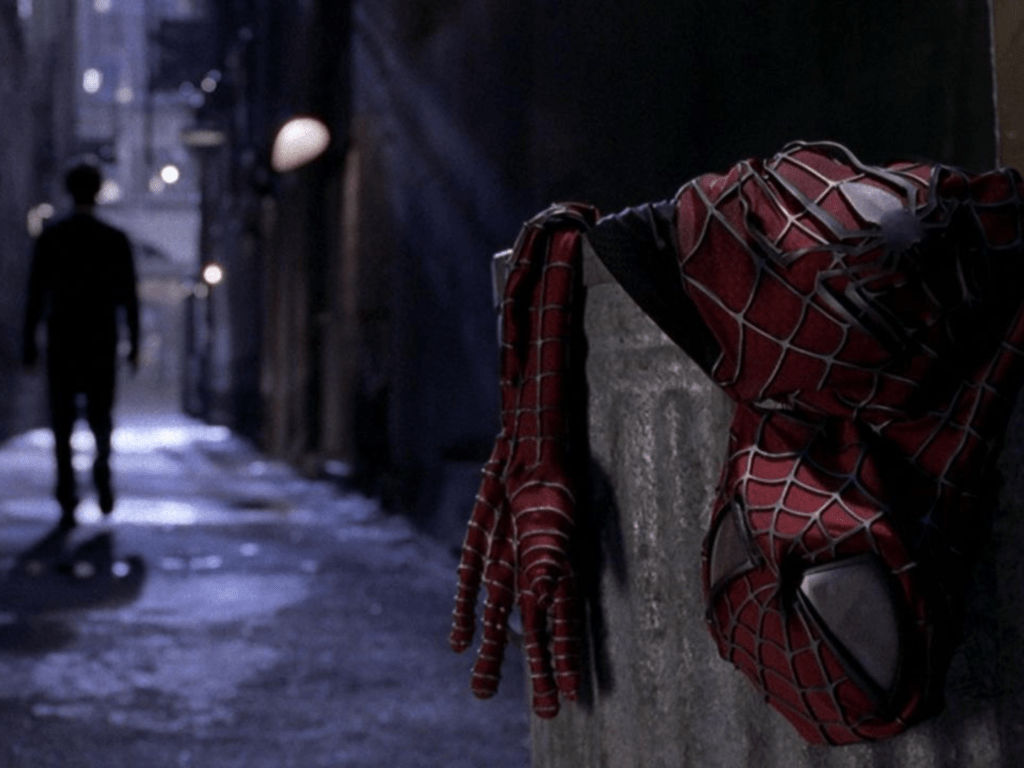
Where Spider-Man succeeds, this sequel improves upon. Peter’s juggling his finance, schoolwork, and worklife keeps him relatable. This makes his struggle between his life and crimefighting understandable. Otto Octavius (Alfred Molinas) presents a theatrically compelling and tragic villain. The action between the two is punchy, and the score is memorable. They even follow up on the moral of power and responsibility, that the right thing takes precedence over one’s happiness and dreams.
People will see this film fondly with Brand New Day’s release. Both films share a theme of self-discovery identity represented by a crisis of power. While Holland struggles to suppress himself, Maguire’s stress inhibits him. Both learn to navigate the line between Spider-Man and Peter Parker. Both even end with the same lesson that Peter can be both. While Holland learns it himself and embraces it by reaching out to Ned (Jacob Batalon), Maguire learns it from Mary Jane (Kirsten Dunst) by accepting a shared life with her.
Both share similar messages, but unique in their own right. Brand New Day doesn’t thematically replace Spider-Man 2, but build on each other.
SPIDER-MAN: FAR FROM HOME
Much like Homecoming, this film speaks a lot about succession. Instead of Maguire and Garfield, Holland must succeed Robert Downey Jr as the MCU’s flagship superhero. Both Marvel heroes that left a lasting mark on both comic and film history. Even in-universe, everybody anxiously searches for the next Iron Man. Both Peter and Holland accomplish this through their own charm.
The film’s comedy landed better than its prequel, and the action sequences were fresh and creative. Mysterio (Jake Gyllenhaal) made an excellent villain with drones being a fresh interpretation of the illusionist’s ‘powers.’ The budding romance between Peter and MJ (Zendaya) was charming, as was the heroine’s uniqueness compared to previous portrayals of Spider-Man’s other romantic interests.
SPIDER-MAN: NO WAY HOME
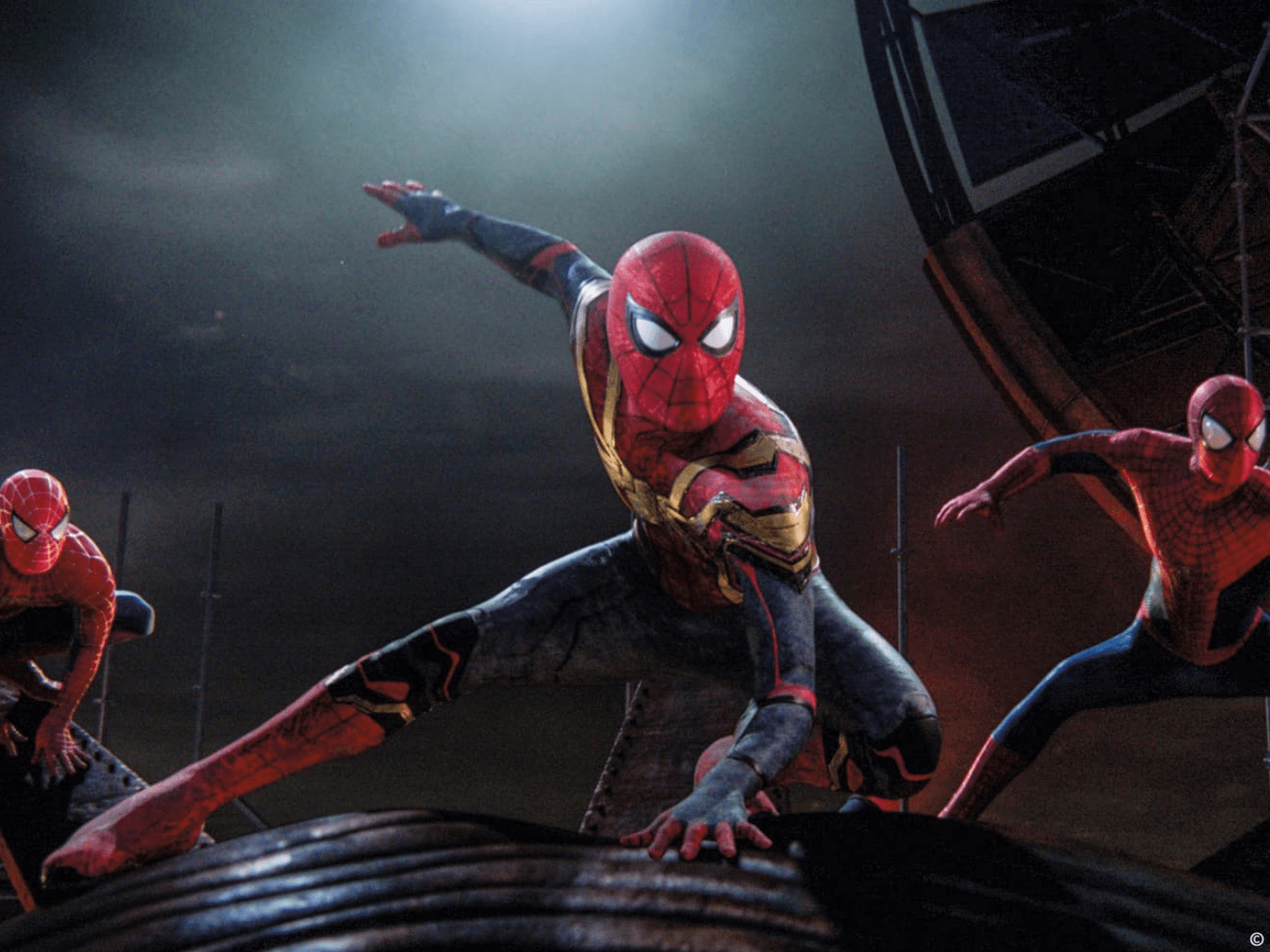
Following the animated Spider-Verse series and teasing the idea in Far From Home, No Way Home gave Spider-Man fans a multiverse story to remember. Much of its charm came from the different characters’ interactions. The Spider-Men and villains talking amongst themselves gave them a lot of character building on their previous performances. Dafoe in particular was iconically terrifying, reprising the Goblin. Graciously, the film even offered closure for the old films. Maguire redeemed himself saving Osborn, like Garfield did saving MJ.
The only nitpick I have is the villains all knowing who Peter Parker is. Sandman (Thomas Haden Church) and Electro (Jamie Foxx) are the few who don’t know Spider-Man’s secret identity. I had no problem with Venom (Tom Hardy) not being a focus of the film, but how he or the symbiote knew Peter was never explained. We can only speculate it was because Eddie’s symbiote is somehow connected to the one in Maguire’s universe.
Ultimately, No Way Home completes Holland’s origin as Spider-Man.
SPIDER-MAN: BRAND NEW DAY
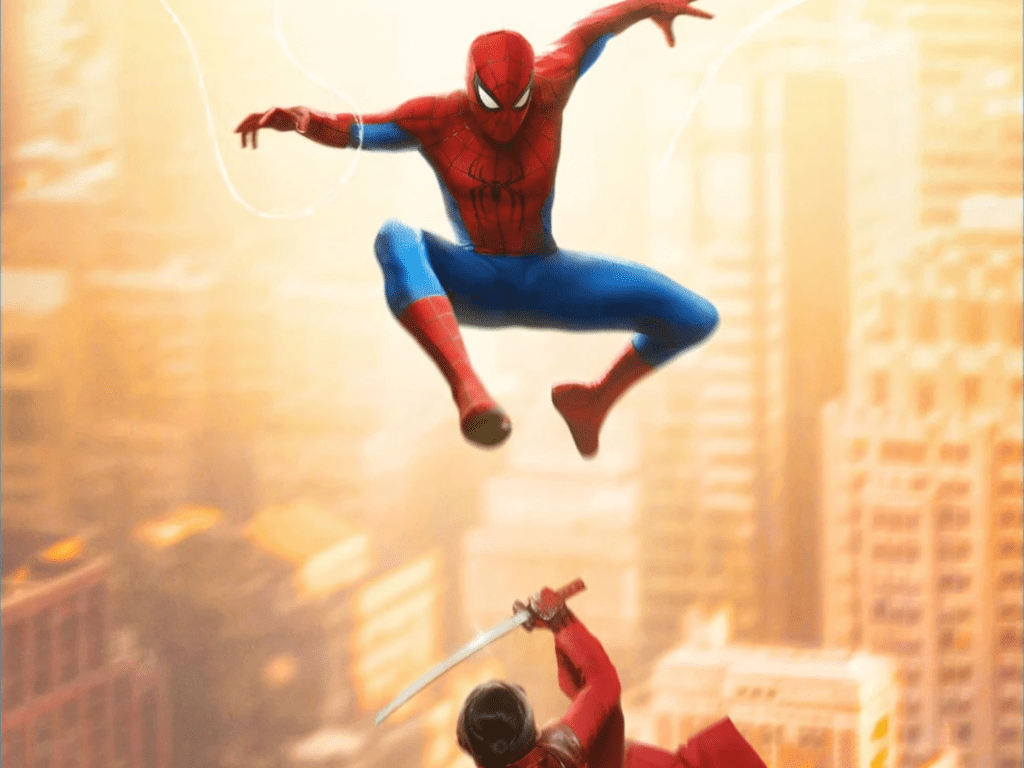
One of my favorite superhero movies is James Gunn’s Superman. The biggest reason was how much the world felt like a comic book. Despite juggling several heroes and villains, it balanced all these elements well without compromising the story. In this way, the film is very similar to Brand New Day and presents a new chapter for both Spider-Man and the MCU.
In comics, several heroes and villains work in New York. For them, team-ups and catastrophic threats are just another Tuesday. Brand New Day brings that feeling to life by featuring more heroes and villains than most other solo superhero films. Thus, the interactions with other heroes such as Black Widow (Florence Pugh), Hulk (Mark Ruffalo), and the Punisher (Jon Bernthal) don’t feel forced.
Much like Spider-Man 2, Brand New Day ends with the idea that Peter can have both the personal life and the hero. This message also resonates with the animated Spider-Verse’s central conflict. One can only wonder how Beyond the Spider-Verse will follow up on these two.
Source: CBR, iMDB, The Independent