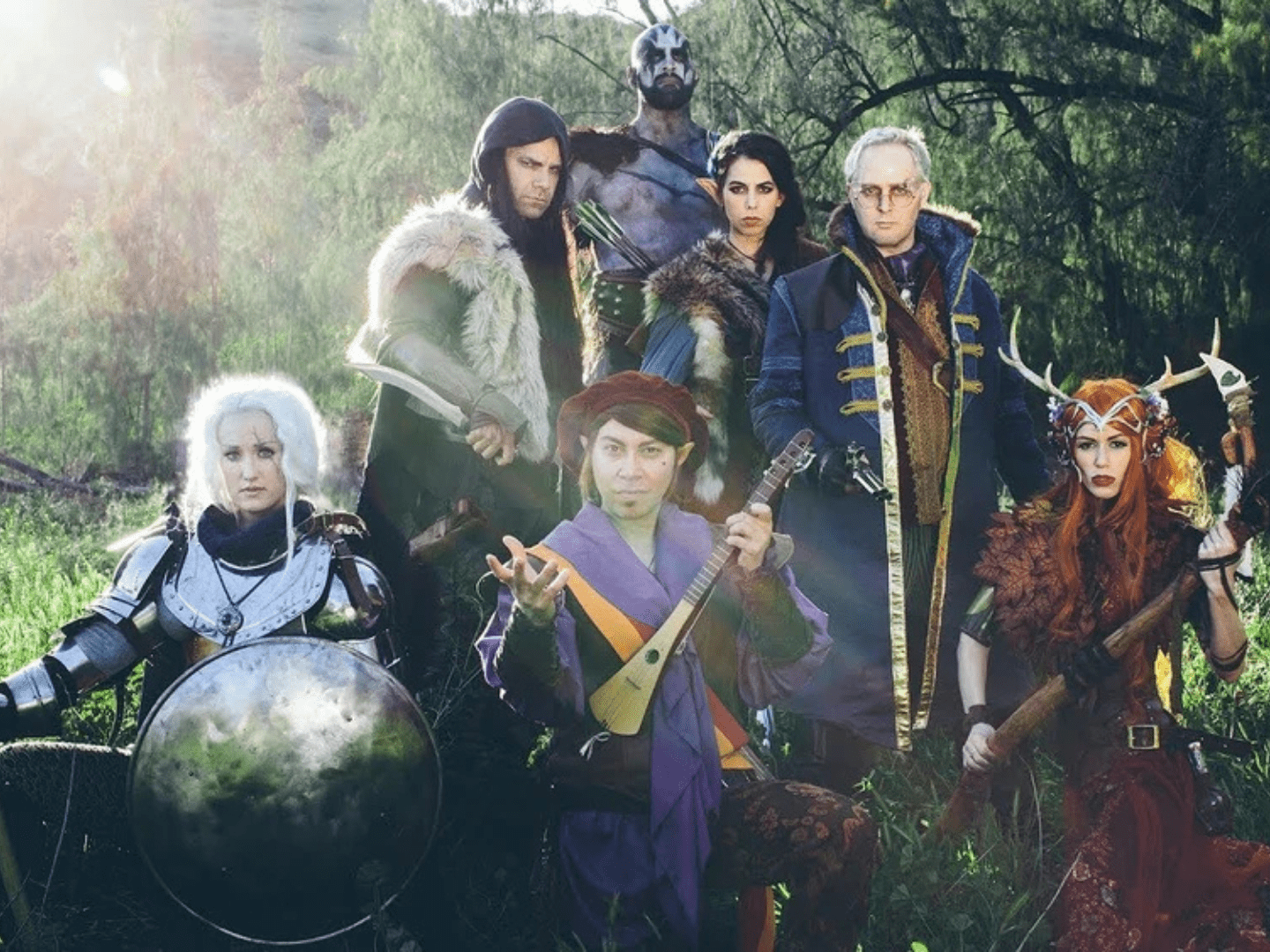
Here are the biggest changes between Critical Role’s premier campaign and the Vox Machina animated adaptation.
Vox Machina started as the titular heroes of web series Critical Role’s first campaign. Years later, the production company of the same name and Titmouse Inc. adapted their adventures into an animated series. However, not all of the original adventure was adapted due to the improvisational nature of Dungeons & Dragons (D&D). In fact, the creators have taken the chance to improve and streamline the narrative as a whole.
The creators decided what to keep by the emotional core of events and whether they fit the season’s tone. Other times, they added new characters, events, and perspectives to further tie things together. Both cases have served to streamline hundreds of hours worth of content into a cohesive story.
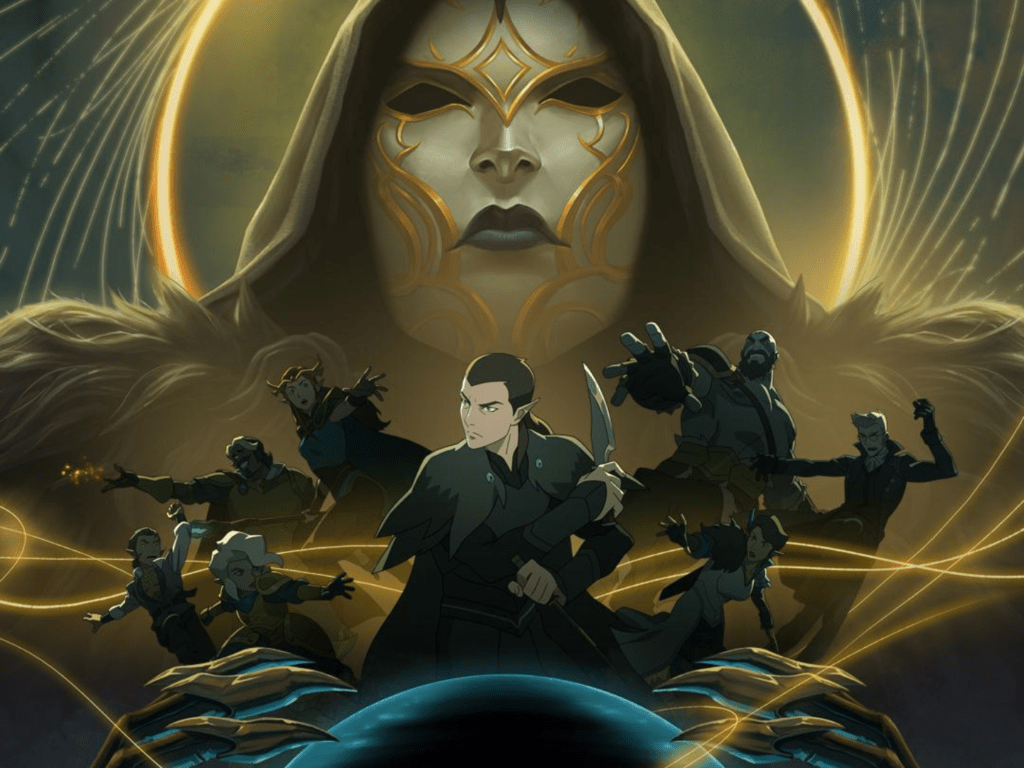
Fans of Critical Role (Critters) saw eight important changes from Campaign 1 in Season 4. In general, many differences build the threat of the Whispered One (Andy Serkis), his cultists, and his widespread plots. As Sam Riegel said, “Vox Machina has gone their separate ways, which is a nice break for them, but the whole world needs, […] someone to protect them and they’re nowhere to be seen.”
The introduction of Taryon Darrington
When Scanlan Shorthalt left Vox Machina, his player Sam Riegel made Taryon Darrington (Wayne Brady) to play in the meantime. Although he was a temporary member until Scanlan’s return, he ended up staying with Vox Machina for a full year. Only when Scanlan returned with news of the Whispered One’s cult did Tary and Doty (Matthew Mercer) leave the team.
In the series, Tary’s encounter with Vox Machina was far from random. The Whispered One used him to reunite the adventurers, since he needed them and Mythcarver to serve his ascension. Taryon’s father was also a weapons supplier to his followers and a proper villain, rather than just a destitute nobleman and a poor father. Fans and even Sam himself praised Brady’s performance for his faithfulness to the character.
The nature of Vax’ildan’s ‘gift’ by the Matron of Ravens
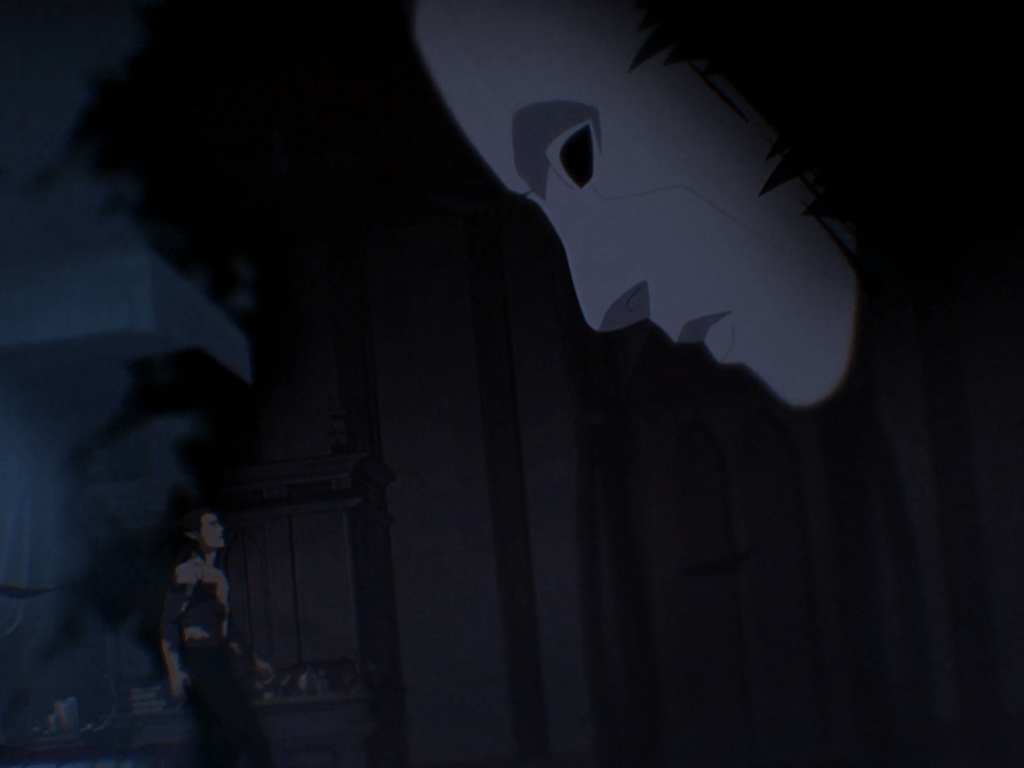
In both adaptations, Vax (Liam O’Brien) becoming the champion of the Matron of Ravens (Courtenay Taylor) was a major turning point. He has constantly clashed with his goddess’s enigmatic visions, and expressed concern about leaving his loved ones behind. In an improvisational game, this simply lent to her eeriness. With the benefit of dramatic irony, the Matron’s cryptic warnings to her champion are even more relevant and foreboding in the series.
In Season 3, Vax’s wariness of the Matron reignited after receiving her ‘gift’ in exchange for the resurrection of Percy de Rolo (Taliesin Jaffe). Although it granted him special powers against his enemies, it was not part of the original game at all.
From a narrative standpoint, it lends to the Matron’s prophecies that he would die against the Whispered One. It also highlights the parallels between couples Vax and Keyleth (Marisha Ray) and Sylas and Delilah Briarwood (Grey Griffin and Matthew Mercer). In both cases, the woman seeks to free their love from a divine curse and defy the gods and their fate.
The presence of Mythcarver throughout the series
Amongst the legendary Vestiges of Divergence, Mythcarver was perhaps the most underwhelming in-game. The Deathwalker’s Ward gave its wearer increased defense and flight. The Fenthras Bow fired special arrows of flame, lightning, and restraining brambles. But Mythcarver’s melee-focused properties did not synergize well with Scanlan, whose playstyle focused on casting magic from afar.
Unlike its game counterpart, the vestige sees much more significance and use in the series. In previous seasons, it enhanced its wielder’s magic, enabled its wielder to find more vestiges, and defeat two dragons. Moreover, it is the only weapon that could kill the Whispered One, save for Vax’s divine gift.
The appearance of a Campaign 3 character, Laudna
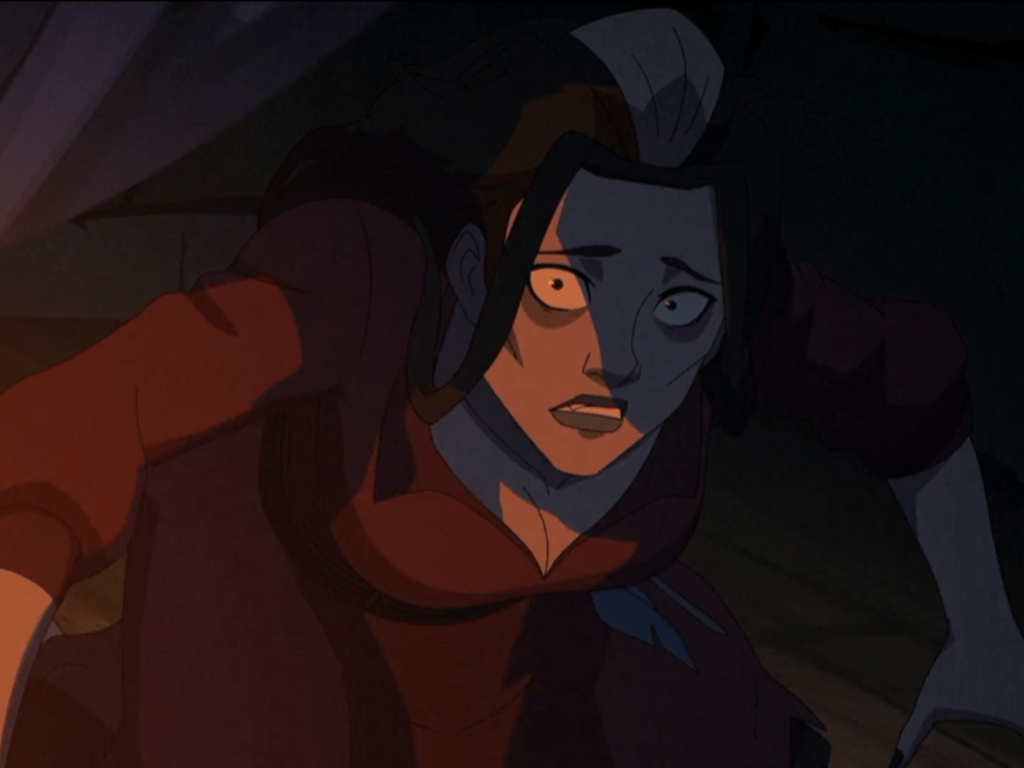
‘Retroactive canon’ is what Marisha describes as incorporating characters and lore from after the airing of Campaign 1. Examples of this have been Exandria Unlimited: Calamity characters Zerxus Ilerez (Luis Carazo) in Season 3 and Nydas Okiro (Lou Wilson) in The Mighty Nein. For the first time in both shows, the creators featured a future character of the main cast: Laudna, Marisha Ray’s character in Campaign 3.
The episode showed snippets of Laudna’s backstory throughout, who was named only in the credits. The Briarwoods dressed her as Vex’s effigy and hanged on the Sun Tree in Season 1, after which she reawakened as an undead. Delilah manipulated and controlled her until Vex turned the sorceress against her mistress. She escaped at the episode’s end, likely to be unseen until an adaptation of Campaign 3.
Show-only fans view this as a spontaneous but interesting character introduction, and perhaps encouragement to watch the games. But regular viewers will be treated with a surprise, especially since she was introduced 30 years after the show’s events.
The circumstances behind The Bard’s Lament
One of the most famous scenes from the original campaign was Scanlan’s departure from Vox Machina. After dying in the fight against Raishan, his friends called his daughter Kaylie (Aisling Franciosi) to assist in his resurrection ritual. When the bard awoke, he lashed out at his friends that they broke his promise to her that he wouldn’t die, and that they only value him for the magic he wields rather than as a person. The Shorthalts then left for a year, and in the same session Sam introduced Tary, much to the cast and crew’s indignation.
Though Season 3 ended with Scanlan leaving Vox Machina all the same, the argument and resentful feelings were cut out entirely. Sam has said that it was too bitter a note to leave the series after their triumph, especially when there was no confirmation of a fourth season then. The series paid homage to that moment in the same episode as Scanlan’s reunion and reconciliation with the group.
“The emotional truth of that moment, I think we managed,” said writer Jasmine Don. The fact it happened at a time when Vox Machina needed Mythcarver above all else only adds to that.
Although the context is different, the question, “What’s my mother’s name?” continues to break viewers’ hearts all the same.
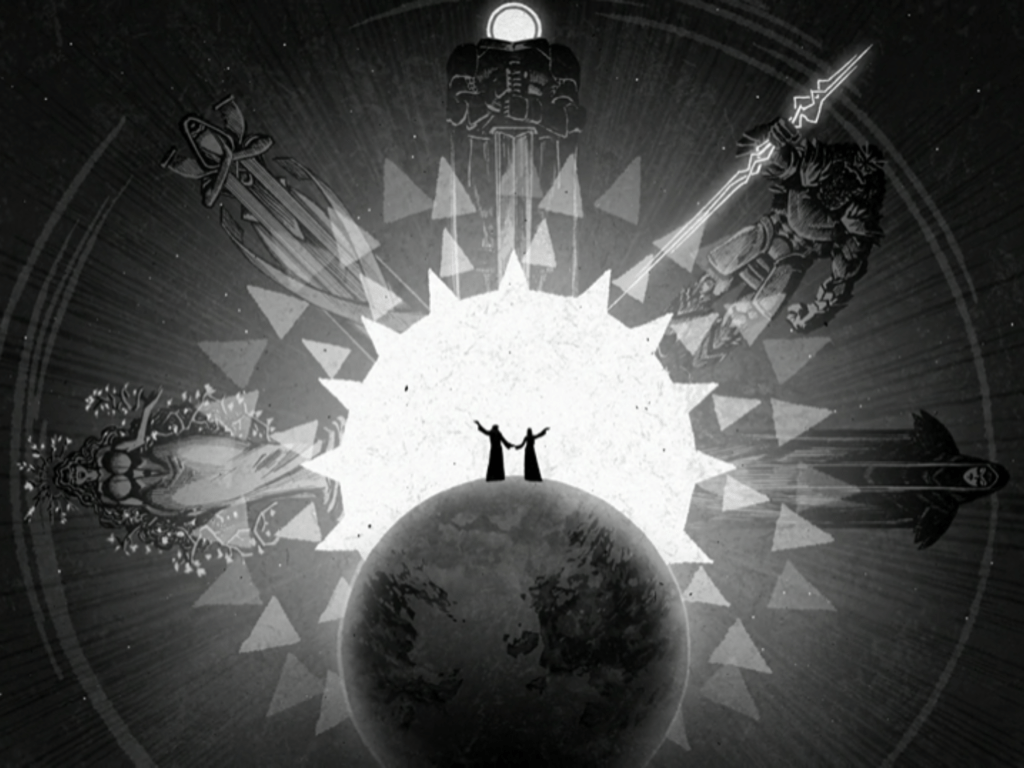
The origins of the Whispered One
Beyond doubt, the undead wizard Vecna is the most famous of D&D’s widespread characters. He was the star villain of many adventures and is even known outside the circle of TTRPG players. However, he is also a licensed character owned by Wizards of the Coast, D&D’s publishing company, and could not be used. Travis has said on the Whispered One, “We’re very aware, obviously, of Stranger Things and all of the adaptations around Vecna, but this is one that is very specific to these characters.”
The series has done much to expand on Vecna’s character in the original campaign. As a mortal, the Whispered One sought to challenge the gods’ rule over Exandria. His resolve did not waver when his path cost him his loved one, nor after his imprisonment. He is every bit as power-hungry and manipulative as his game counterpart, but his backstory gives him a semblance of a moral code and a reason for his ends. It also expands on a recurring theme of Critical Role since Campaign 3, which is questioning the relationship between the gods and mortals of Exandria.
Original fans will recognize major implications about his relationship with the Matron of Ravens, which are likely to be expanded upon in Season 5.
The ‘Dark Pike’ story arc
Up until the halfway point of Campaign 2, Ashley Johnson’s availability was extremely rocky. She was busy filming NBC’s Blindspot for much of Campaign 1, and mostly played via Skype for the few episodes she was available for. For this reason, her character Pike Trickfoot never had much of a presence in the campaign. What the creators refer to as the ‘Dark Pike’ arc came from Ashley’s conversations with Matt about story ideas they could only implement in the series.
Season 3 hinted at Pike’s downfall when the devil Zerxus challenged her faith in the Everlight, when she used her blood to restore her friends, and when she cast aside her holy symbol fighting Thordak. After her friends’ perceived abandonment of her and her loss of faith, she witnesses the death of her great-great-grandfather Wilhand (Henry Winkler), and later, Grog. It was the perfect setup for the Whispered One to sway her to his side.
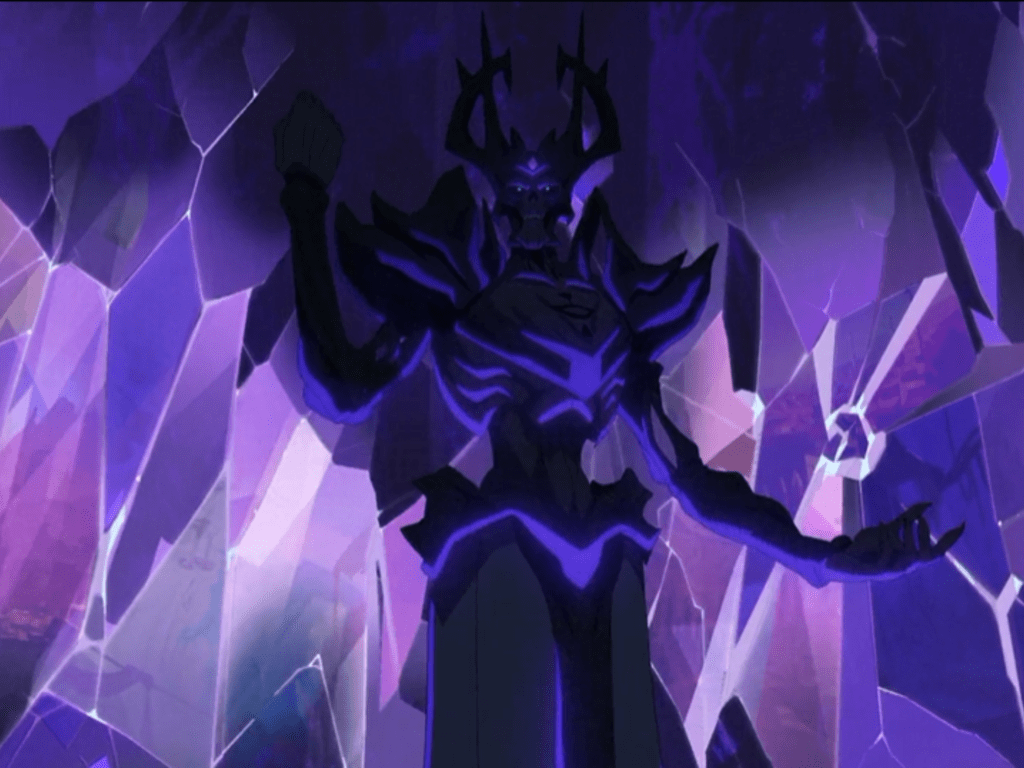
Vox Machina’s defeat at Thar Amphala
In the original campaign, Vox Machina entered Thar Amphala in time to witness the Whispered One’s resurrection. They failed to defeat him after waking, during which Vex temporarily died and Vax was disintegrated. The group retreated to the Fey Realm when it became clear victory was impossible. The entire battle unfolds within half a minute in-game, and the Whispered One’s ascension to godhood occurs later offscreen.
Their defeat in the series is much more bitter. Although Vox Machina kills the Whispered One, it was also his final step to achieving godhood. He even gloats that the Matron’s gift could have stopped him, if only Keyleth hadn’t cured Vax. At the same time, his followers across Exandria subjugate several major cities. He then forces them to submit to save Vax’s life, which he broadcasts for all the world to see. After killing the champion when he refuses, the Whispered One continues his conquest of the world.
Critters, what are your favorite changes to the events of Season 4?
Sources: PopVerse, YouTube (The Direct Extras, Inside the Legend of Vox Machina: Season 4, Episodes 1-6, Episodes 7-12)